By Brian Dohrn | Dohrn Travels | What to Pack for an Alaska Cruise
Figuring out what to pack for an Alaska cruise can be tricky, especially for a first-time cruiser. You need to prepare for cool weather and rain without filling your suitcase with bulky clothes you may never wear.
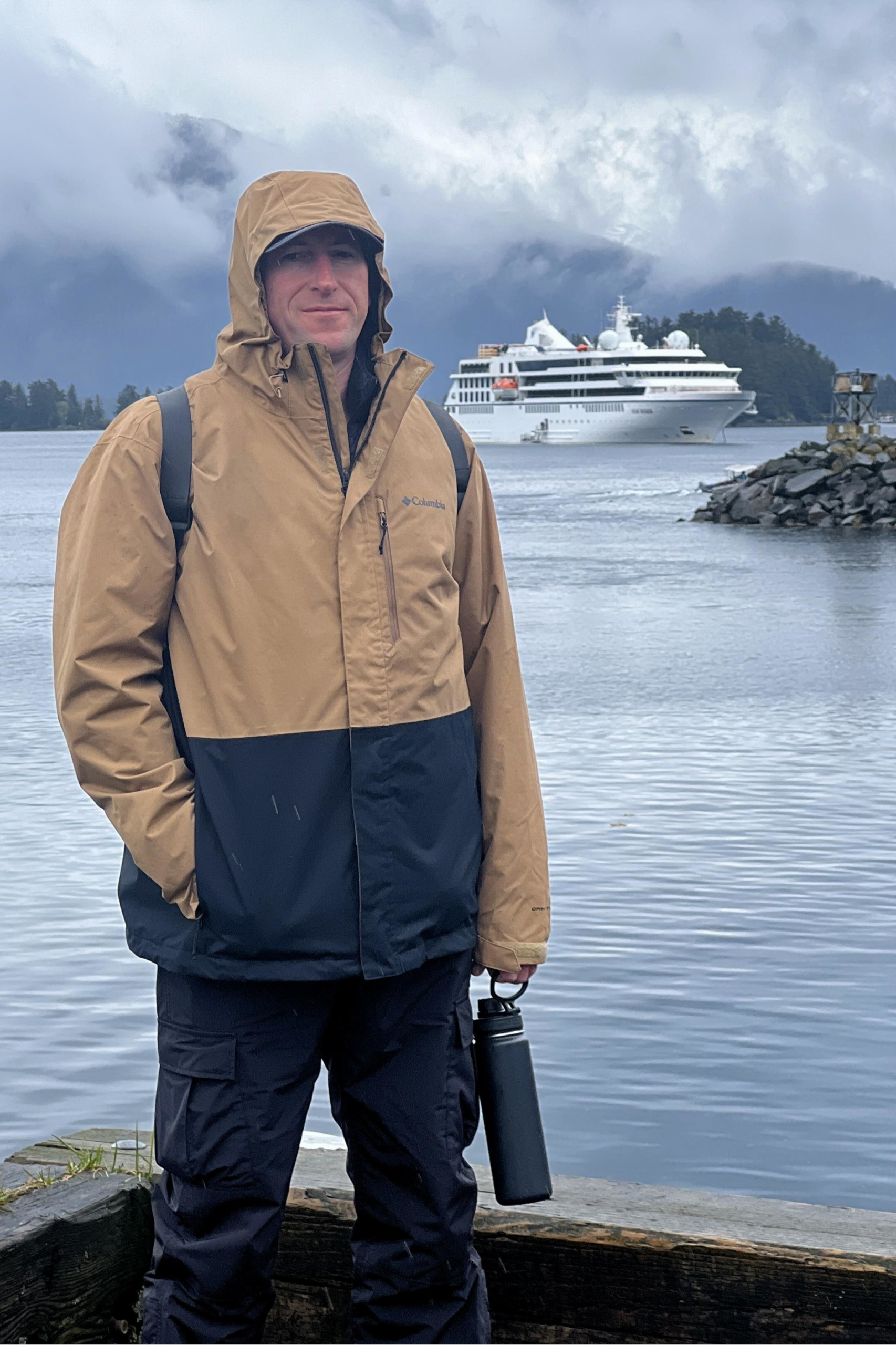
I’ve experienced both sides of Alaska’s unpredictable weather. I’ve been underdressed near a glacier and overdressed in a flannel on a sunny day in Juneau. That’s why I recommend packing versatile layers instead of trying to prepare for every possible weather condition.
This Alaska cruise packing list covers the clothing, footwear, port day essentials, and weather protection you’ll actually need. The goal is simple: pack smarter, stay comfortable, and avoid bringing a suitcase full of unnecessary gear.
If you need a complete cruise packing list covering travel documents, cabin essentials, toiletries, and electronics, start with my Ultimate Cruise Packing List. This guide focuses specifically on what makes packing for Alaska different.
Table of Contents
Quick Gear Guide for Your Alaska Cruise
Short on time? Here’s a quick look at the clothing, footwear, and gear I’d prioritize for an Alaska cruise.
Waterproof Rain Jacket
See my rain jacket pick
A lightweight waterproof shell protects against rain and wind while leaving room for layers underneath.
Comfortable Hiking Boots
See my hiking boots pick
Good traction and water protection can make a big difference on rainy port days, trails, and outdoor excursions.
Warm, Versatile Mid-Layer
See my packable vest pick
A fleece or insulated vest adds warmth without the bulk of a heavy winter coat.
Packable Daypack
See my daypack pick
Useful for carrying an extra layer, rain jacket, water, snacks, binoculars, and camera gear off the ship.
Binoculars
See my binoculars pick
Wildlife doesn’t always appear close by, so binoculars can help you spot whales, eagles, and other wildlife at a distance.
Why Packing for an Alaska Cruise Is Different
Most cruises give you some room for error. Forget sunscreen? You can probably find it on the ship or in port. Bring the wrong shoes? You might still manage.
Alaska is different because the weather can change quickly, and many of the best experiences happen outdoors. You might start the morning in cool, cloudy weather, get caught in rain during an excursion, and end the afternoon in sunshine.
Temperatures along the Inside Passage typically range from about 45°F to 65°F during the summer, but wind can make it feel much colder on deck, during whale-watching tours, and near glaciers.
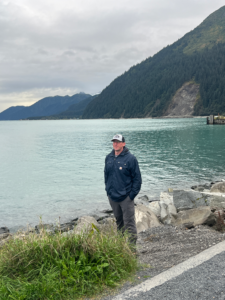
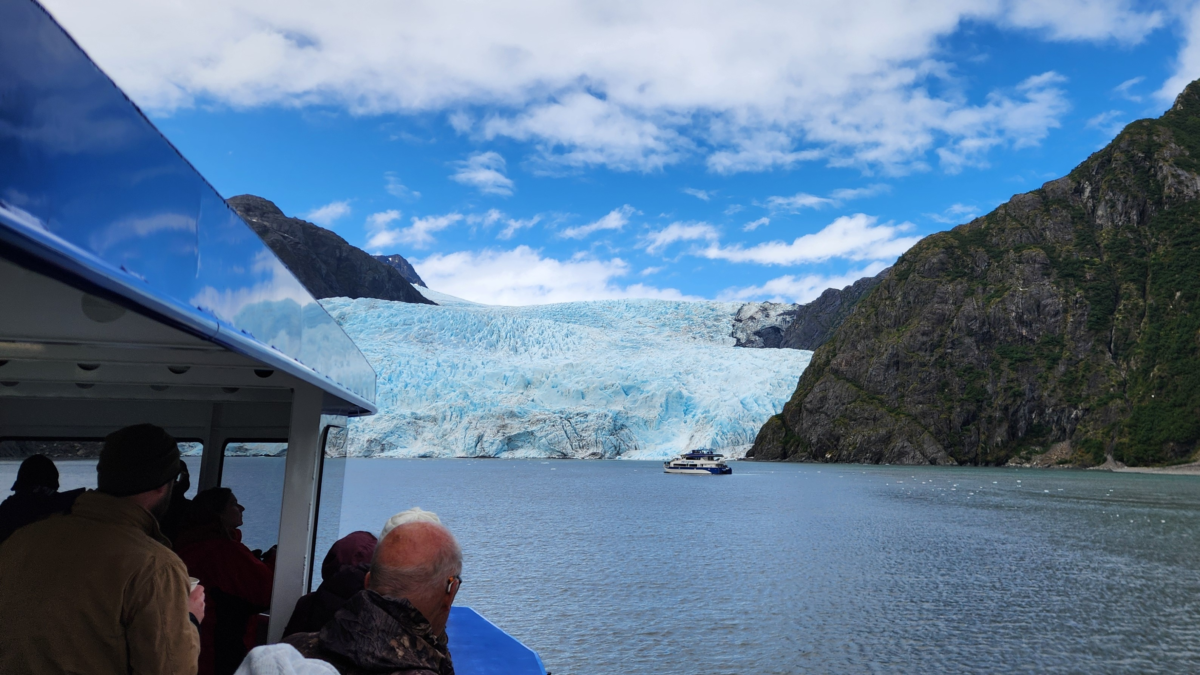
I learned this firsthand on a Kenai Fjords National Park cruise out of Seward. As we approached Holgate Glacier, the temperature dropped noticeably, and I quickly realized I was underdressed. I couldn’t believe how much colder it felt near the glacier.
I experienced the opposite on my Alaska cruise in Juneau. It was sunny and in the mid-60s, but the strong sun made it feel much warmer. I wore a flannel and was overdressed—I would have been more comfortable in shorts and a T-shirt.
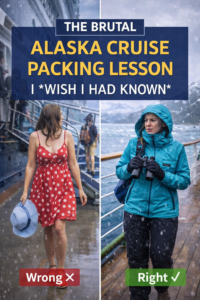
That’s why layering matters so much on an Alaska cruise. Instead of packing one heavy coat or several bulky sweaters, bring layers you can add or remove as the weather and your activities change.
Affiliate Disclosure: This post may contain affiliate links. If you book through one, I will earn a small commission at no extra cost to you. Thanks for supporting Dohrn Travels!
The Alaska Cruise Packing List — What You Actually Need
You don’t need to pack for every possible weather condition. The key is bringing versatile clothing and gear that can handle changing weather, active port days, and time spent outdoors.
My Top Alaska Cruise Packing Essentials
If you’re trying to decide which items matter most, these are the five things I’d prioritize for an Alaska cruise. They cover the biggest challenges you’ll likely face: changing weather, wet conditions, long port days, and wildlife viewing.
- Waterproof rain jacket — A lightweight waterproof jacket gives you protection from both rain and wind while still allowing you to layer underneath.
- Comfortable waterproof shoes or hiking boots — A comfortable pair with good traction can help keep your feet dry during rainy port days, nature walks, and outdoor excursions.
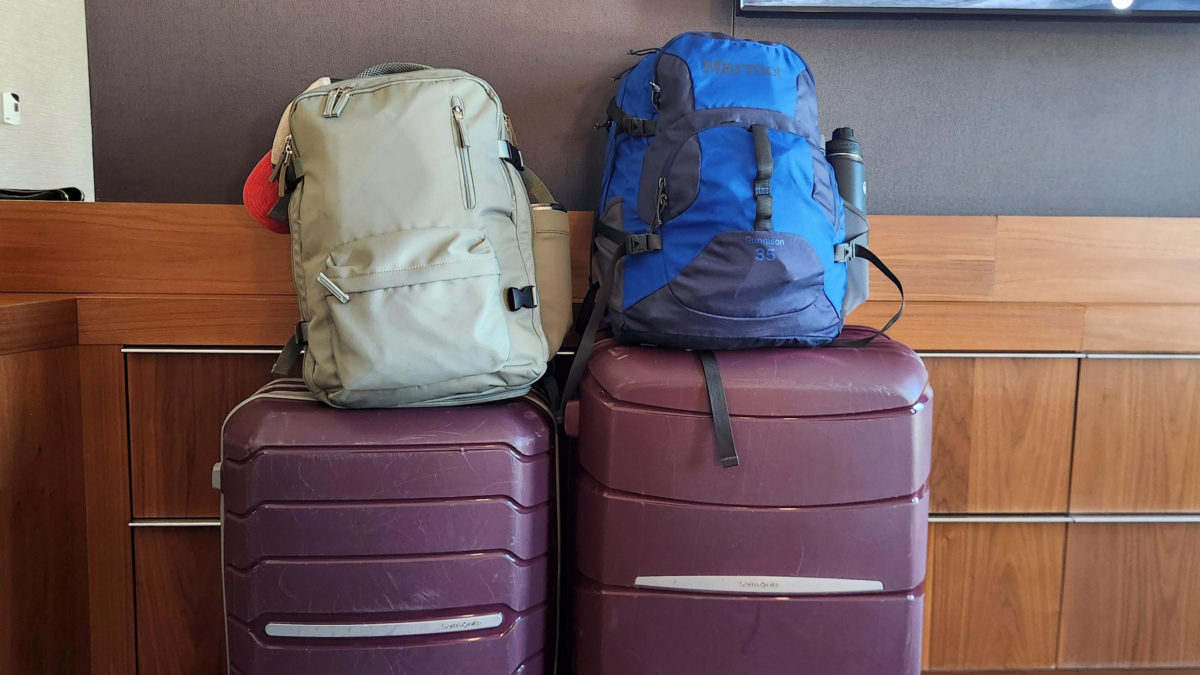
- Packable daypack — Useful for carrying an extra layer, rain jacket, water, snacks, binoculars, and camera gear off the ship.
- Binoculars — Wildlife doesn’t always show up close to the ship or tour boat. I found binoculars especially useful for spotting whales and other wildlife at a distance.
- Warm, versatile mid-layer — A fleece, vest, or lightweight down jacket gives you extra warmth without the bulk of a heavy winter coat.
You don’t necessarily need every item on this list for every port day. What you pack should depend on your itinerary, planned excursions, and the time of year you’re cruising.
What to Wear on an Alaska Cruise
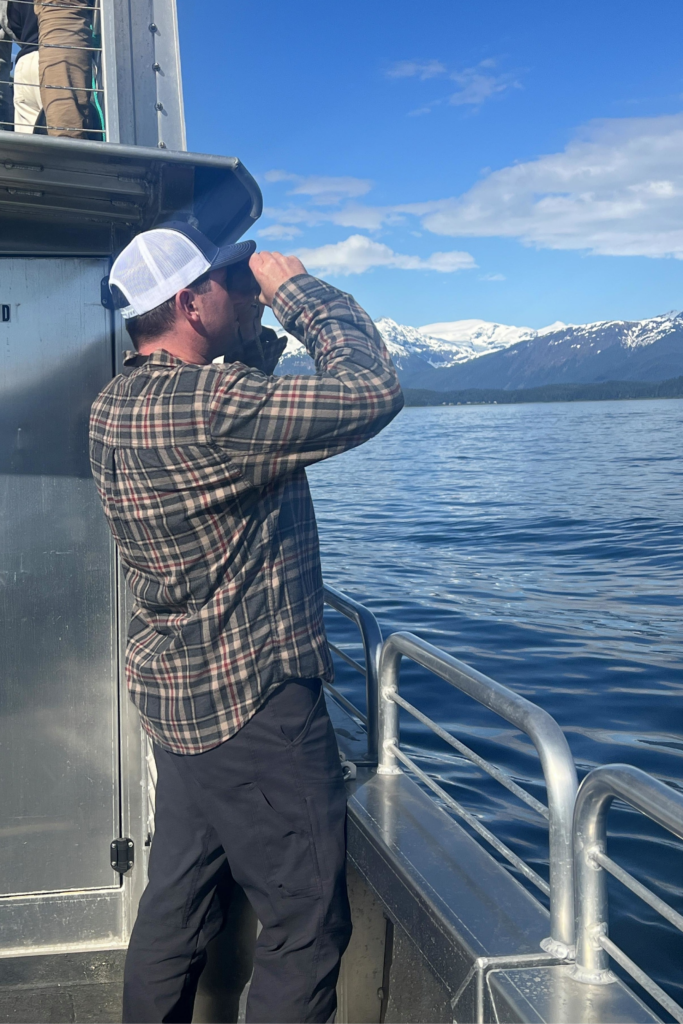
The biggest clothing mistake isn’t necessarily forgetting something—it’s packing too many bulky clothes that don’t work well together. Alaska weather can change quickly, so versatile layers are more useful than packing a different heavy outfit for every possible condition.
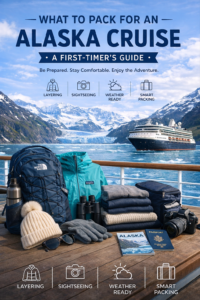
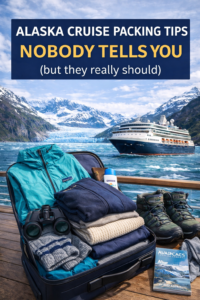
The basic approach is simple: start with a base layer when needed, add a fleece, vest, or other mid-layer for warmth, and keep a waterproof outer layer available for rain and wind. You won’t need every layer every day, but having options makes it easier to adjust as conditions change.
Here’s what I recommend packing for an Alaska cruise:
Waterproof rain jacket or shell — This is one of the most important items on an Alaska cruise packing list. Look for a waterproof jacket with a hood that can fit comfortably over your other layers. Even if the forecast looks good, Alaska weather can change quickly.
Waterproof rain pants — These aren’t necessary for every port day, but they’re worth bringing for rainy excursions, hiking, kayaking, or other activities where you’ll spend several hours outdoors. A lightweight pair takes up very little room in your luggage or daypack.
Merino wool or synthetic base layers — Base layers are useful for cold mornings, glacier viewing, and open-water excursions. You may not need them every day, especially during warmer summer weather, but they give you an extra layer of warmth without the bulk of a heavy sweater.
Mid-weight fleece or insulated vest — A fleece or vest is one of the most versatile layers you can bring. Wear it alone on cool days or under your rain jacket when temperatures drop. A vest works especially well if you want extra core warmth without restricting movement.
Hiking pants or casual pants — Hiking pants are a good choice for active excursions because they’re lightweight and dry faster than jeans. That said, you don’t need to completely avoid jeans. They’re perfectly fine for the ship, exploring town on a dry day, or casual evenings.
Long-sleeve shirts, flannels, and a hoodie or sweater — Bring a few comfortable mid-layer options that you can mix and match. On my sunny day in Juneau, I actually found myself overdressed in a flannel when temperatures reached the mid-60s and the sun made it feel even warmer. That’s exactly why layers work so well—you can adjust throughout the day.
Light gloves and a warm hat — These take up very little space and are worth having for glacier viewing, chilly mornings, and windy boat excursions. You may not use them every day, but you’ll appreciate having them when the temperature drops.
Wool or moisture-wicking socks — Comfortable socks matter, especially if you’ll be hiking or spending long days walking around port. Wool socks help manage moisture and stay warmer when damp.
One or two smart-casual dinner outfits— You don’t need a separate dressy outfit for every night. One or two smart-casual options should cover dinners and evenings aboard the ship, depending on your cruise line and how you like to dress.
Once you have your layers figured out, the next thing to consider is what you’ll wear on your feet during port days and excursions. linen anything, and that swim cover-up taking up room in your bag. More on this in the “What to Skip” section.
Footwear for Alaska Ports

The right shoes for an Alaska cruise depend on what you plan to do in port. Walking around downtown Ketchikan is very different from hiking a muddy trail near Juneau or spending several hours on an outdoor excursion.
For most travelers, the goal is simple: bring comfortable shoes with good traction that match your planned activities. You probably don’t need heavy hiking boots unless your excursions actually call for them.
Here’s what I recommend:
Waterproof trail shoes or light hiking boots — A good choice for hiking, nature walks, and excursions where you may encounter rain, mud, or uneven terrain. Make sure they’re comfortable and broken in before your cruise.
Waterproof boots — These can be useful for especially wet or muddy excursions, but they’re not essential for every Alaska cruiser. XTRATUF boots are a popular choice in Alaska and are designed for wet conditions.
Sneakers or comfortable walking shoes — For exploring cruise ports, walking around the ship, and casual days, a comfortable pair of sneakers may be all you need. I spent much of my recent Alaska cruise walking around ports like Juneau and Ketchikan, and heavy hiking boots weren’t necessary for the activities I chose.
Flip-flops or slides — Bring a pair if you plan to use the pool, hot tub, spa, or ship showers. They take up very little room and can come in handy onboard.
Unless dressing up is important to you, there’s no need to pack multiple pairs of dress shoes. One comfortable pair that works with your dinner clothes should be enough.
Once you have your footwear figured out, the next step is deciding what you’ll actually carry off the ship each day.
What to Pack in Your Daypack for Alaska Cruise Excursions
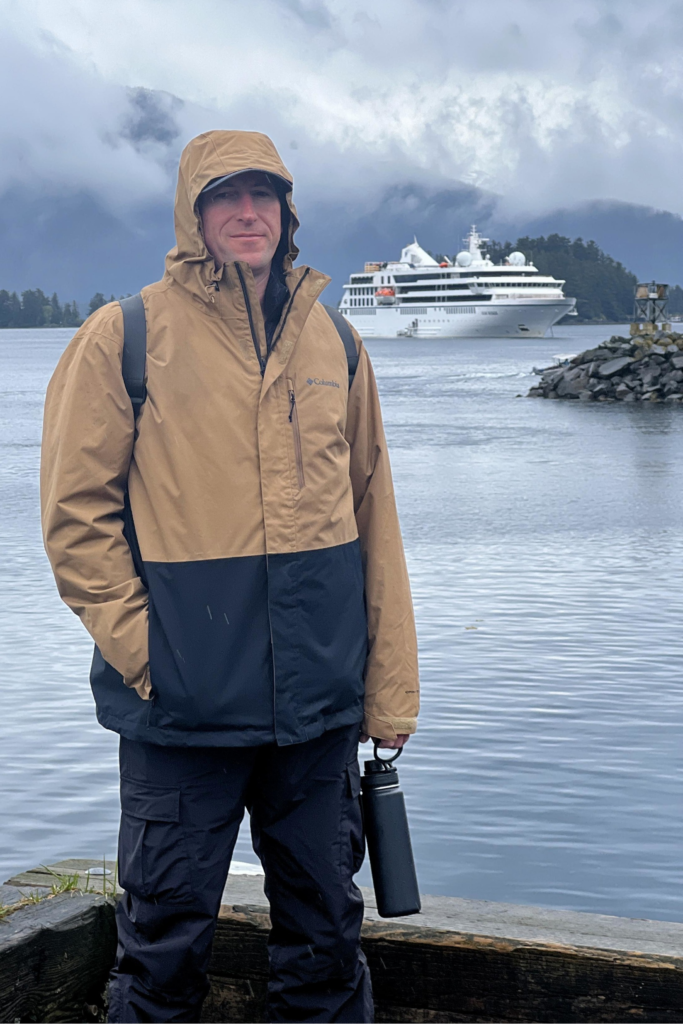
What you carry off the ship depends on your plans for the day. A whale-watching excursion, a long hike, and a few hours exploring downtown all require different gear.
I’ve learned that carrying too much can be just as frustrating as forgetting something. I like to keep my daypack light and bring only what I expect to use that day.
Here’s what I recommend for Alaska port days and excursions:
Packable daypack — A small backpack gives you room for an extra layer, rain jacket, water, snacks, and camera gear without weighing you down. You don’t need a large pack for most port days.
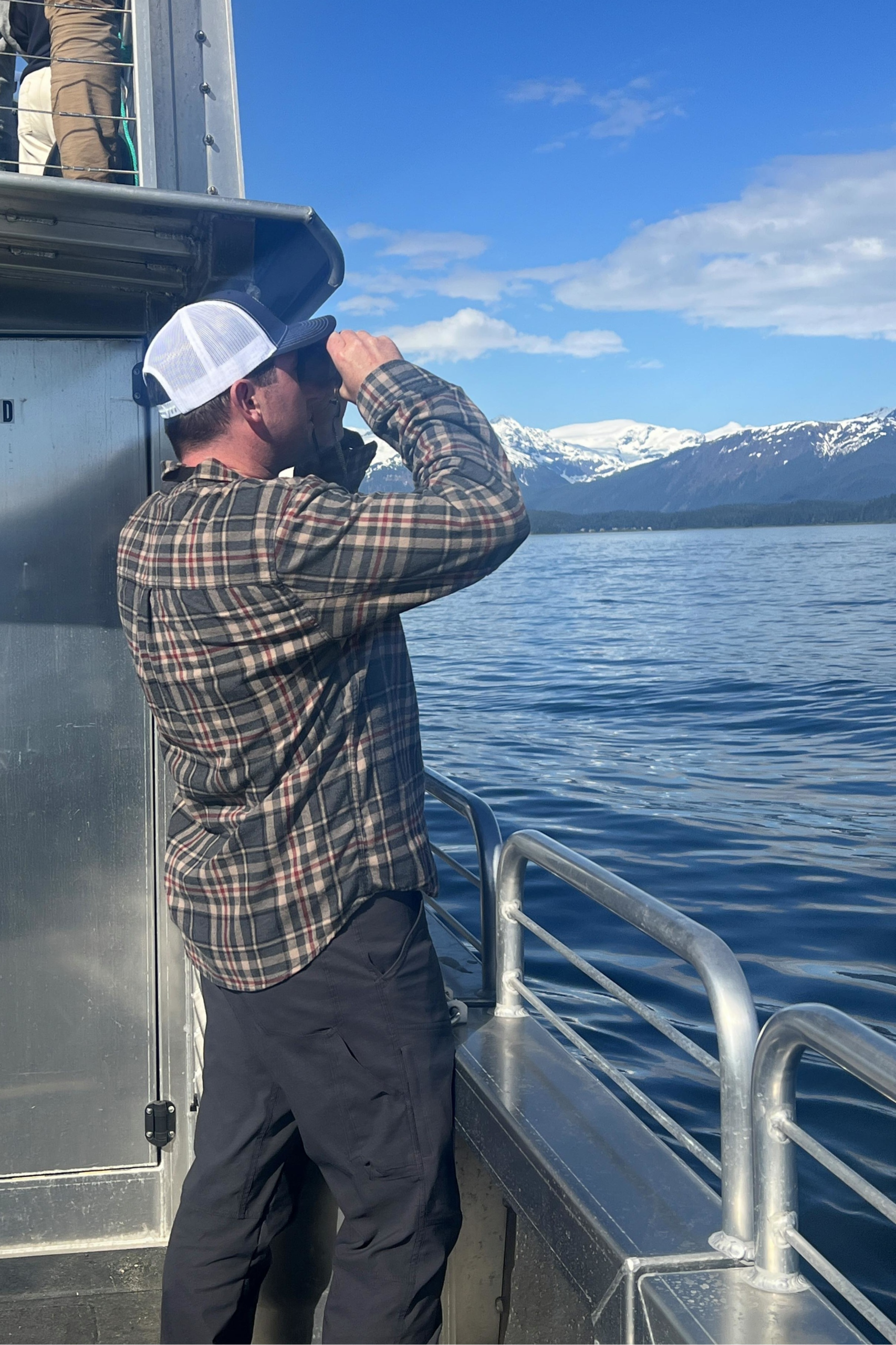
Binoculars — This is one item I definitely recommend for Alaska. Wildlife can appear at any time, whether you’re on an excursion, standing on deck, or sitting on your balcony. During my whale-watching excursion in Juneau, many of the whales were far enough away that binoculars helped get a better view.
Reusable water bottle — Fill it before leaving the ship, especially for longer excursions or hikes where food and drinks may not be readily available.
Snacks — I learned this one in Juneau. We hadn’t eaten since breakfast before our afternoon whale-watching excursion, and by the time it ended, we were hungry. A few snacks in your daypack can make a big difference on a long port day.
Hand warmers — Small and easy to pack, they’re useful for cold-weather excursions, glacier viewing, or whale watching when the wind picks up. You may not need them, but they take up very little room.
Dry bag or waterproof phone pouch — Useful for protecting your phone, wallet, and other valuables during rainy port days or water-based excursions..
🧭 Planning a Shore Excursion?
If you haven’t booked your shore excursions yet, Viator and GetYourGuide has a solid selection of Alaska cruise excursions across all the main ports.
Alaska Bug & Weather Protection
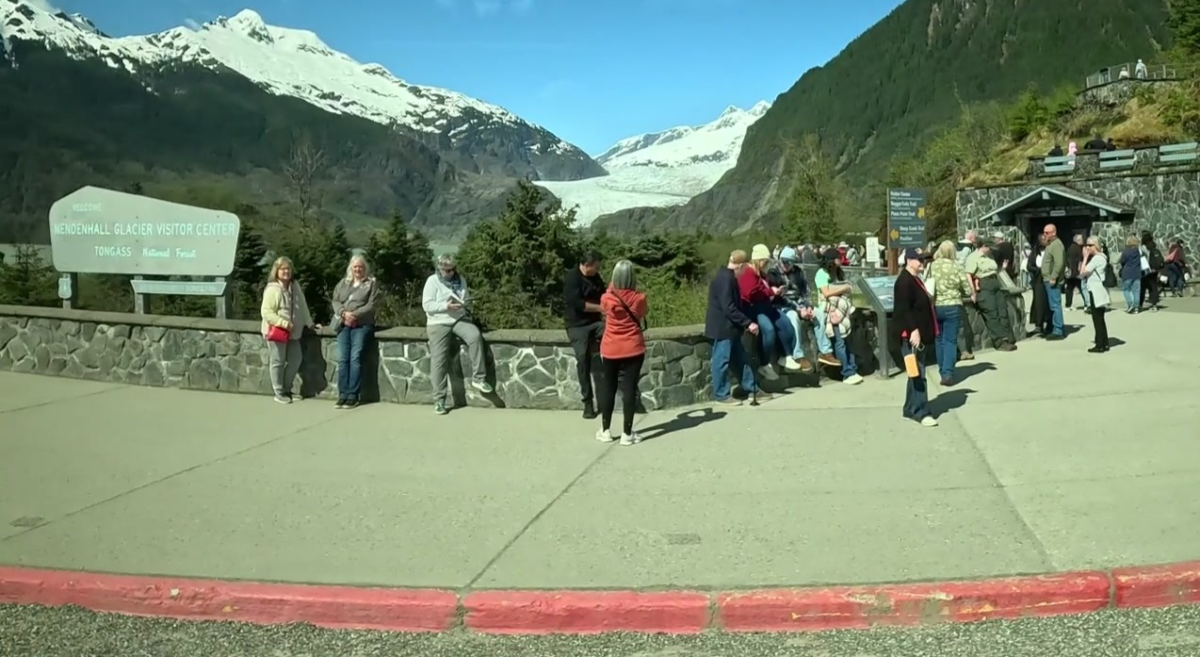
Alaska weather can change quickly, so it’s worth keeping a few small essentials in your daypack. Even on cool or cloudy days, you’ll still want protection from the sun, wind, and bugs.
Here’s what I recommend packing:
Sunscreen and lip balm with SPF — Don’t let cooler temperatures fool you. On my sunny day in Juneau, the sun felt surprisingly strong, and it was one of the days I made sure to use sunscreen. Keep both handy for port days and longer outdoor excursions.
Polarized sunglasses — Helpful for cutting glare off the water and making it easier to spot wildlife. They’re especially useful during whale watching, glacier viewing, and scenic cruising.
Buff or neck gaiter — A lightweight option for extra warmth on cold or windy days. It takes up almost no room and can be especially useful on open-water excursions.
Bug spray — Mosquitoes can be an issue on wooded trails and outdoor excursions, particularly during the warmer summer months. A small bottle of insect repellent is easy to keep in your daypack when you expect to spend time outdoors.
🌎 Alaska Cruise Gear & Essentials:
Looking for gear for your Alaska cruise? Browse my curated Alaska packing recommendations, travel essentials, and cruise door designs.
🧳 Shop my favorite Alaska cruise gear and packing essentials on my
Amazon Storefront.
🎒 Browse my curated Alaska gear recommendations and specific product picks on my
Dohrn Travels RockPorch Store.
🚢 Find personalized Alaska cruise door banners and cruise decor in my
Dohrn Cruise Creations Etsy Shop.
What to Pack for an Alaska Cruise by Month
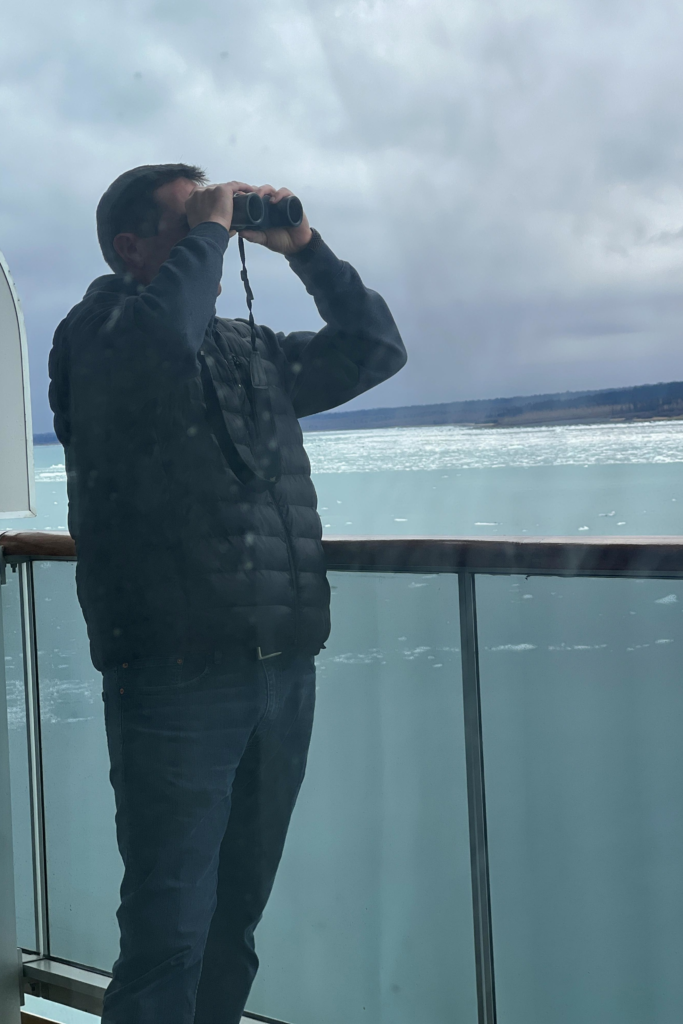
When you’re cruising matters, but you don’t need a completely different packing list for each month. The same basic approach applies throughout the Alaska cruise season: bring versatile layers, waterproof outerwear, and comfortable shoes, then adjust based on when you’re sailing and what you plan to do.
May — Early-season cruises can bring cooler temperatures, especially in the mornings, near glaciers, and on open-water excursions. Pack warm layers, a hat, light gloves, and a waterproof jacket.
June — Expect long daylight hours and a wide range of possible weather. You could experience cool rain, sunny afternoons, or both on the same trip, so versatile layers are especially useful.
July — July is generally one of the warmer months of the Alaska cruise season, but don’t leave the warm layers or rain jacket at home. Glacier viewing and time on the water can still feel chilly.
August — Pack much as you would for a July cruise, with versatile layers and waterproof outerwear. Rain can become more frequent later in the summer, so make sure you have reliable rain protection.
September — Late-season cruises can bring cooler temperatures, more rain, and shorter daylight hours. Bring extra warm layers, along with a hat and gloves for chilly mornings and time outdoors.
No matter which month you cruise, check the forecast before you leave—but don’t rely on it completely. Alaska weather can change quickly, which is why layers are the most useful part of any Alaska cruise packing list.
What to Skip on an Alaska Cruise
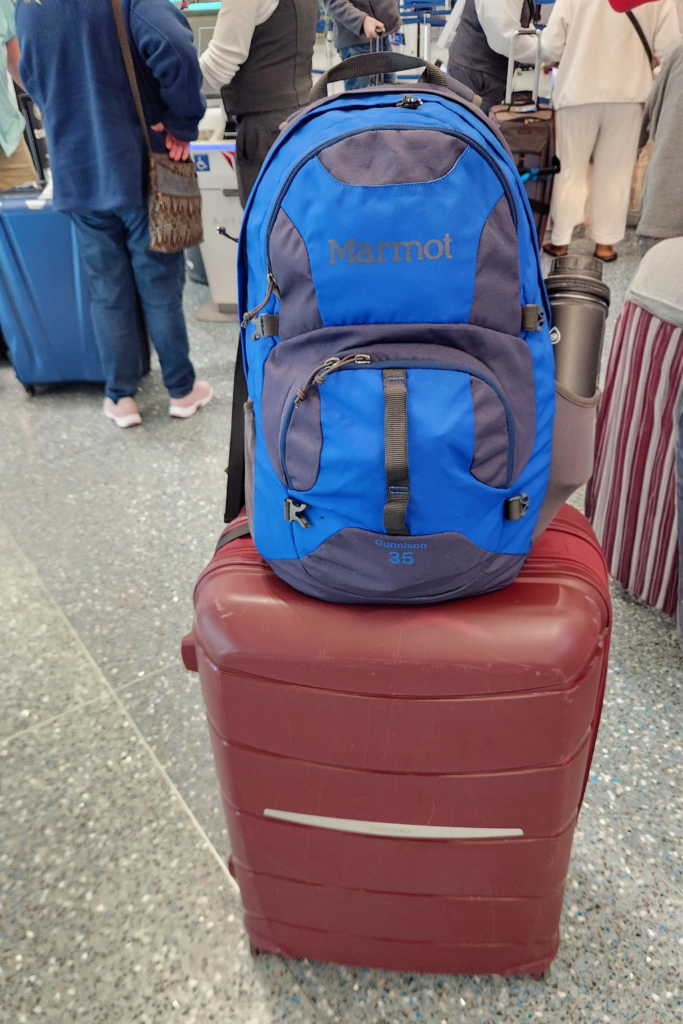
Overpacking is easy on an Alaska cruise because you’re trying to prepare for changing weather, different excursions, and time onboard the ship. But packing for every possible situation usually means bringing clothes and gear you never use.
Here are a few things you can probably leave at home:
Too many heavy sweaters and bulky jackets — Layers are more versatile and take up less space. Instead of packing several bulky sweaters or a heavy winter coat, bring a few lighter layers that you can add or remove as conditions change.
Extra swimwear — Unless you plan to spend a lot of time at the pool, hot tub, or spa, one swimsuit is probably enough. I did use the hot tub and spa during my Alaska cruise, so I wouldn’t recommend skipping swimwear altogether.
Too much formal wear — Alaska cruises tend to feel more casual, but this can vary by cruise line. For most travelers, one or two nicer outfits should be enough for dinners and dressier evenings.
Too many shoes — Shoes take up a lot of suitcase space. A comfortable walking shoe, waterproof footwear if your excursions require it, and something for dinners or the pool should cover most travelers.
Heavy cotton clothing for outdoor excursions — You don’t have to leave every pair of jeans or cotton hoodie at home. They’re perfectly fine for the ship or dry days in port. But for hiking, rainy excursions, or long days outdoors, quick-drying fabrics are a better choice.
“Just in case” gear you don’t have a plan for — This is where luggage fills up fast. If you can’t think of when you’ll realistically use something based on your itinerary or excursions, consider leaving it behind.
Items already provided by the ship — Most cruise ships provide basics such as towels and a hair dryer, although cabin amenities vary by cruise line. Check what’s included before packing duplicates.
🚢 Ready to Book Your Alaska Cruise?
Holland America has been sailing Alaska’s Inside Passage longer than just about anyone — their ships are sized for the smaller ports, and the itineraries are built around the scenery, not just the stops.
Downloadable Alaska Cruise Packing Checklist (Printable + Reusable)
When it’s time to actually start packing, a simple checklist makes it much easier to stay organized and avoid forgetting something important.
I’ve put together a free printable Alaska cruise packing checklist covering clothing, footwear, port day essentials, toiletries, electronics, travel documents, and more. Use it on your phone or print a copy and check off each item as you pack.
Not every item will be essential for every traveler, so customize the checklist based on your cruise, excursions, and the time of year you’re visiting Alaska.
What to Pack for an Alaska Cruise FAQs
Do I need rain gear for an Alaska cruise?
Yes, I recommend bringing a waterproof rain jacket with a hood. Alaska weather can change quickly, and rain is common in many cruise ports. Lightweight waterproof pants are also worth considering for hiking, kayaking, or longer outdoor excursions.
How cold does it get on an Alaska cruise?
Temperatures during the Alaska cruise season can vary quite a bit depending on the month, location, and weather. Even on warmer days, it can feel much colder on open decks, during whale-watching excursions, or near glaciers.
That’s why layers are so important. On my own Alaska trips, I’ve gone from feeling underdressed near Holgate Glacier to being too warm in a flannel on a sunny day in Juneau. Having layers you can add or remove is the best way to stay comfortable.
What shoes should I wear on an Alaska cruise?
For most travelers, comfortable walking shoes with good traction are the best starting point. Waterproof trail shoes or light hiking boots are worth bringing if your excursions involve hiking, muddy trails, or extended time outdoors in wet conditions.
You don’t necessarily need heavy hiking boots just to explore cruise ports. Match your footwear to your planned excursions and activities.
How many outfits should I pack for a 7-day Alaska cruise?
You don’t need seven completely different outfits. Pack versatile pieces you can mix, match, and layer depending on the weather and your plans for the day.
For a typical 7-day Alaska cruise, focus on a few versatile shirts and pants, a base layer for colder days, a fleece or other warm mid-layer, and a waterproof outer layer.
Add one or two smart-casual outfits for evenings, depending on your cruise line and personal preference.
Final Thoughts
Packing for an Alaska cruise doesn’t have to mean preparing for every possible weather condition. Focus on versatile layers, waterproof outerwear, comfortable shoes, and the gear that fits your actual excursions.
If there’s one thing I’ve learned from traveling in Alaska, it’s that the weather doesn’t always match what you expect. Having layers I could add or remove made all the difference on my own trips.
Use this Alaska cruise packing list as a starting point, then adjust it for your itinerary, the time of year you’re traveling, and what you plan to do in port. You don’t need to pack everything, just what makes sense for your trip.
For the complete cruise packing foundation—including travel documents, cabin essentials, toiletries, and electronics—check out my Ultimate Cruise Packing List.
Adventure Awaits. Book It!
Follow along on Facebook and YouTube so you don’t miss what’s coming next.
The Ultimate Cruise Packing List: What to Bring, What to Skip, and How to Pack Smart (2026 Guide) Caribbean Cruise Packing List for the First Time Cruisers What to Pack for an Alaska Cruise: A First-Timer’s Guide Mediterranean Cruise Packing List for the First Time Cruisers Alaska Road Trip: 10 Remarkable Days on the Kenai Peninsula Alaska Wildlife Tour: The Best Way to Meet Alaska’s Wildlife Face-to-Face at AWCC Kenai River Fishing Charter: My Honest Review of King of the River in Alaska Places to Stay in Seward Alaska: You’ll Love This Coastal Town Kenai Fjords Cruise: Is the Major Marine Tour Worth It? (Full Review + Tips) Essentials for Traveling: Travel Essentials I Actually Use and Love The Best Travel Must Haves for Every Trip
Don’t forget to pin this post for future planning!