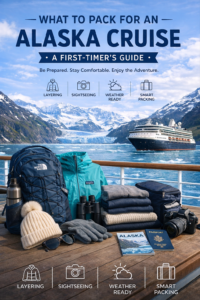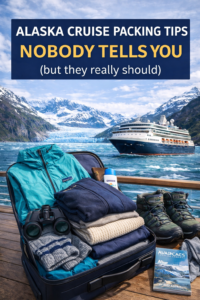
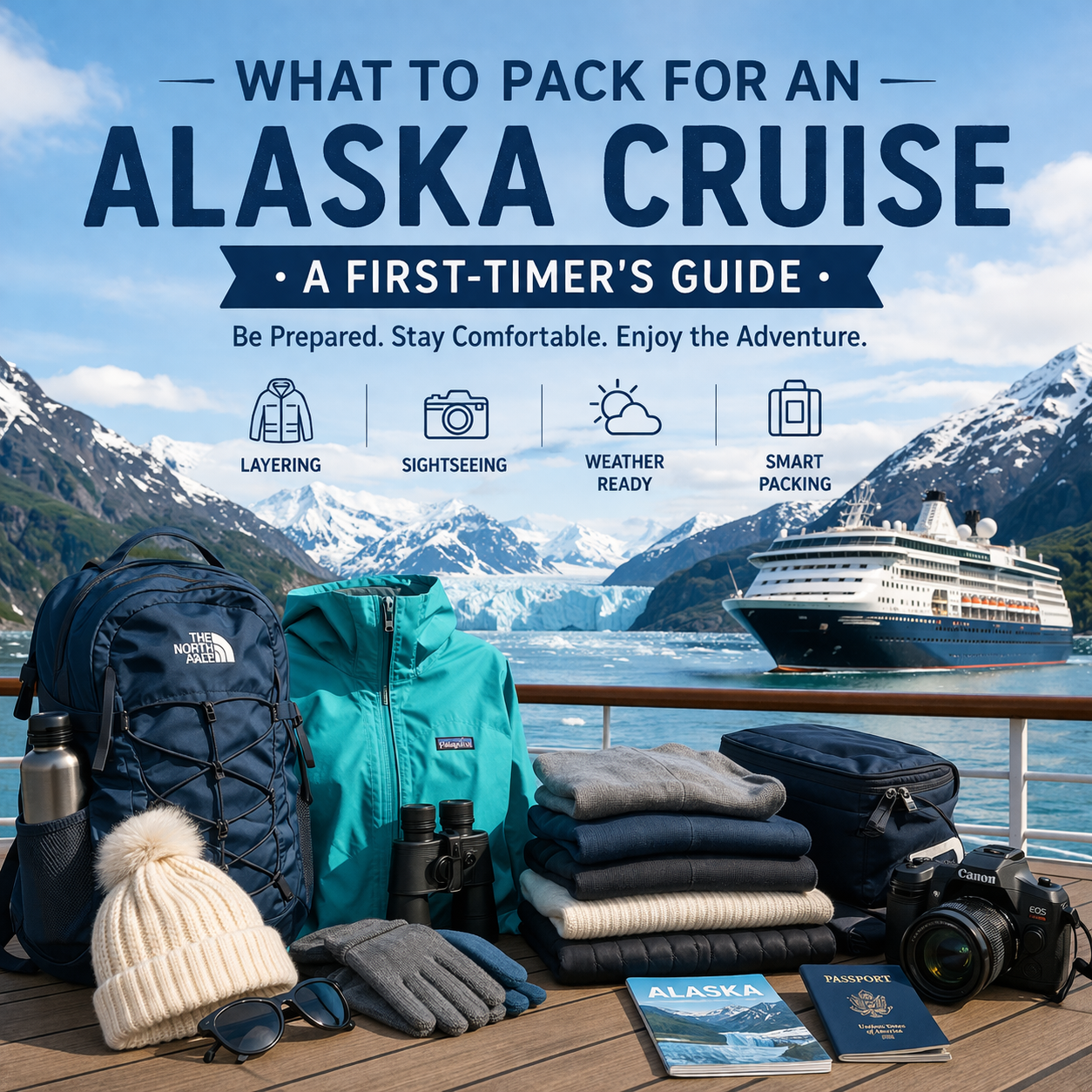
By Brian Dohrn | Dohrn Travels | What to Pack for an Alaska Cruise
Figuring out what to pack for an Alaska cruise trips up almost every first time cruiser — and usually in the same way.
They know Alaska is cold, but not how cold. They know they need layers, but don’t know which ones. So they pack a little of everything and hope for the best.
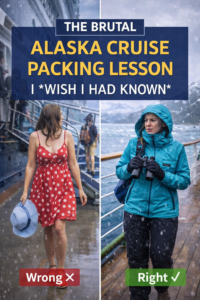
Sundresses get folded in. A swimsuit gets tossed on top. Sandals make the cut because, hey, it’s a cruise. Then they step off the ship in Juneau into 48°F rain and sideways wind, and the reality of Alaska sets in fast.
I remember the first time figuring out what to pack for an Alaska cruise, struggling with what to pack and how many warm clothes to bring. The issue with warm clothes is that they take up more space in the suitcase. So, how do I pack for Alaska without overpacking and still be covered for all the weather conditions?
This guide is built for Alaska specifically — not for a cruise in general. If you haven’t started with my Ultimate Cruise Packing List, that’s your foundation. This Alaska cruise packing list builds on it for the unique demands of Southeast Alaska: unpredictable weather, physical shore excursions, wildlife that shows up when it wants, and zero beach days to plan around.
This post contains affiliate links. If you purchase through them, I’ll earn a small commission at no extra cost to you — it helps keep this site running.
Table of Contents
- What First-Timers Need to Know Before Packing for an Alaska Cruise
- Why Packing for an Alaska Cruise Is Different
- The Alaska Cruise Packing List — What You Actually Need
- What to Skip on an Alaska Cruise
- Downloadable Alaska Cruise Packing Checklist (Printable + Reusable)
- What to Pack for an Alaska Cruise FAQs
- You’ve Got This
Quick Gear Guide for Your Alaska Cruise
Everything you need to pack — gear, clothing, and accessories — all in one place.
Clothing & Layers:
- Waterproof Rain Jacket
- Waterproof Rain Pants
- Merino Wool Base Layer
- Thermal Underwear
- Packable Down Vest
- Hiking Pants
- Wool Socks
Footwear:
Accessories & Gear:
- Merino Beanie
- Cuffed Beanie
- Binoculars
- Packable Day Backpack
- Stainless Steel Water Bottle
- Hand Warmers
- Dry Bag
Sun & Bug Protection:
What First-Timers Need to Know Before Packing for an Alaska Cruise
Packing for an Alaska cruise for the first time is different from any other trip you’ve prepared for — the climate is unpredictable, the excursions are physical, and the gear that works on a Caribbean or Mediterranean cruise often fails here. This guide covers exactly what Alaska demands: the right layers, the right footwear for muddy trails and slick boardwalks, and the items that actually earn their space in your bag. Get this right on your first Alaska cruise, and every port day gets a whole lot better.
Why Packing for an Alaska Cruise Is Different
Most cruises give you a buffer. You forget sunscreen? There’s a gift shop on the ship. Wrong shoes? You’ll manage.
Alaska is less forgiving. The ports are smaller, the shops carry fishing gear and locally made gifts rather than travel essentials, and the weather can shift from partly cloudy to cold and rainy before you even get to your excursion meeting point.
Temperatures along the Inside Passage typically run between 45°F and 65°F in summer, with wind chill making it feel meaningfully colder on deck and on open-water excursions.
According to the National Weather Service Alaska region, even July can see wide day-to-day swings — mornings near glaciers can dip into the low 40s while afternoons in port feel almost mild. The official Travel Alaska site puts it plainly: the state’s coastal weather is famously changeable.
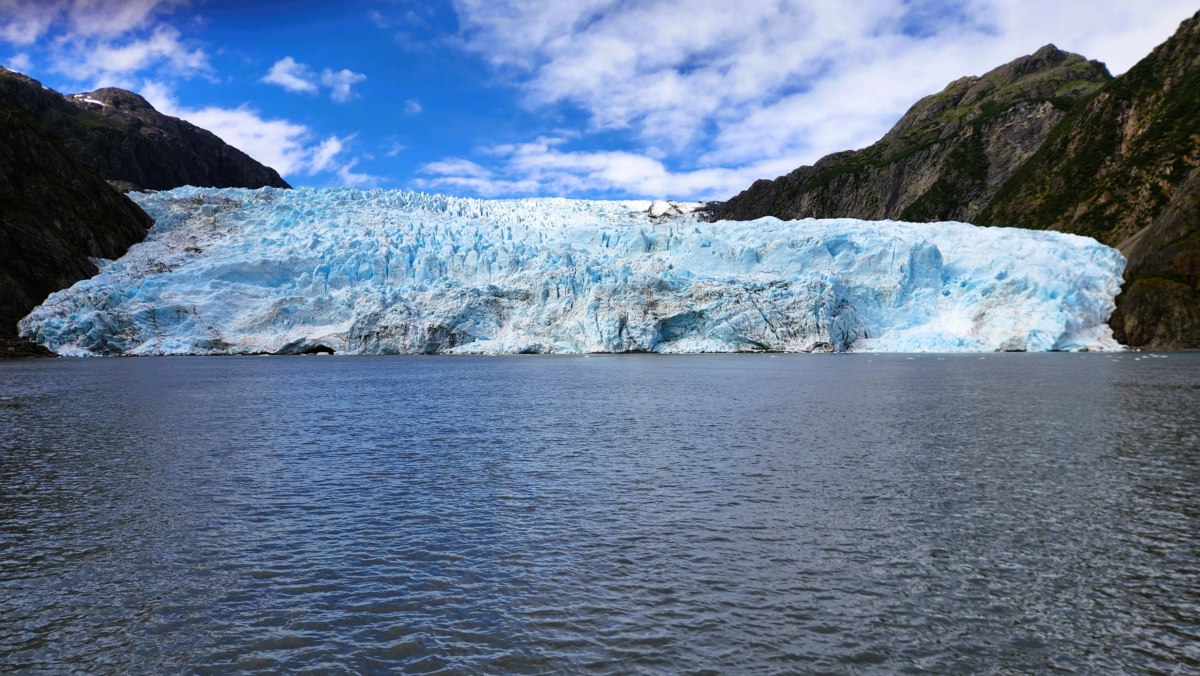
When I did the Kenai Fjords National Park Cruise out of Seward, as we approached the Holgate Glacier, I remember how chilly the air got and at this moment I discovered I was underdressed for this excursion. I couldn’t believe how much a glacier changes the weather — you definitely want warm clothes. Read my review of the Major Marine Tour to learn more.
If your itinerary starts or ends in Seward — one of the most common embarkation points for Alaska cruises — my guide to places to stay in Seward covers everything you need before you board.
The other difference is that Alaska cruising is an active experience. You might kayak in the morning, walk a coastal trail in the afternoon, and watch a glacier calve from your balcony in the evening — all in the same day. Each of those moments asks something different from your clothing.
There are no beach days to anchor the itinerary. You’re packing for movement, wildlife viewing, and weather, and that shift in mindset changes everything about what makes the cut.
The Alaska Cruise Packing List — What You Actually Need
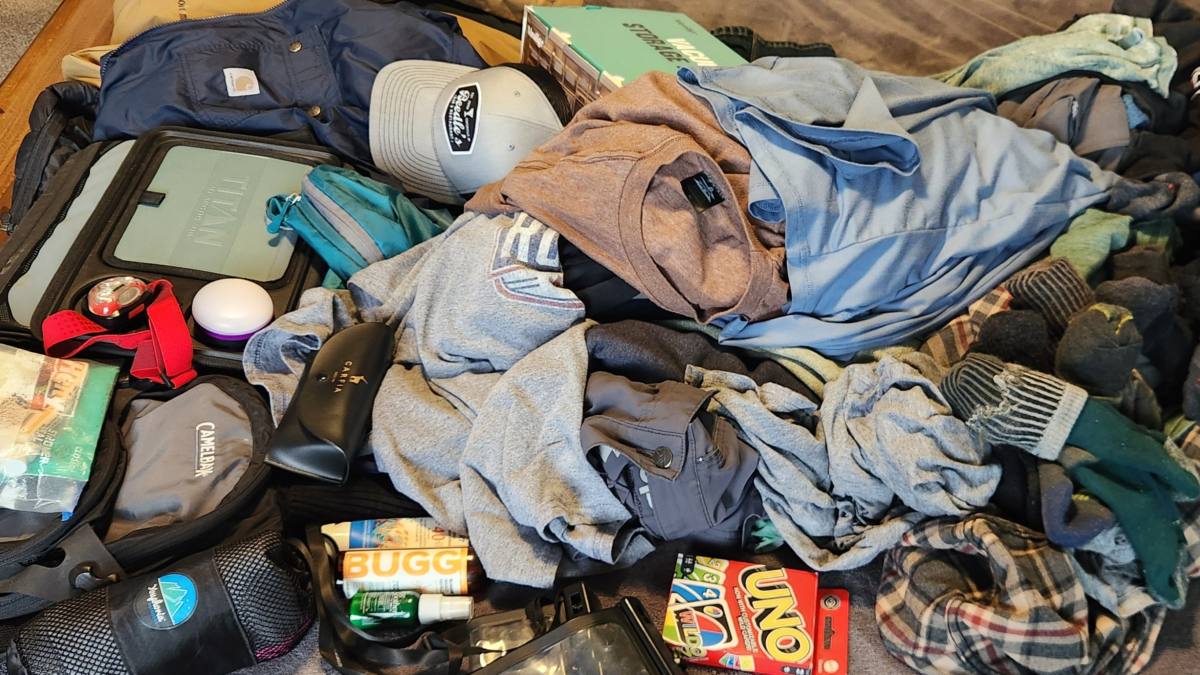
What to Wear on an Alaska Cruise
The biggest clothing mistake isn’t forgetting something — it’s packing the wrong version of what you brought. A fleece hoodie isn’t the same as a moisture-wicking mid-layer. A light windbreaker isn’t the same as a waterproof shell. The difference between those two things becomes very obvious when you’re four hours into a shore excursion and the clouds open up.
Alaska rewards a layering system over a collection of individual pieces. A base layer that moves moisture away from your skin, a mid-layer that holds warmth, and a waterproof outer shell that keeps everything dry underneath — that three-piece system covers almost every condition you’ll encounter. Once I started packing that way instead of just “more sweaters,” port days became entirely different.
Here’s what to wear on an Alaska cruise:
- Waterproof rain jacket or hardshell — This is the single most critical item on your Alaska cruise packing list. Not water-resistant: waterproof, with a hood and sealed seams. If you only upgrade one piece of gear for this trip, make it this. The waterproof jacket I’ve worn in Alaska seals out wind and heavy rain, has a breathable membrane, and stuffs into a daypack.
- Waterproof pants — Your rain jacket can’t do all the work. On wet excursions, jeans and cotton pants soak through fast and stay cold for hours. A lightweight pair of waterproof pants packs flat, weighs almost nothing, and makes a miserable rainy port day a perfectly fine one.
- Merino wool or synthetic base layers (2 sets) — Merino is worth the investment here because it regulates temperature across a wide range and doesn’t build up odor on multi-day wear. I used cheap polyester thermals for years and regretted it on the longer excursion days. If you’re on a budget, polyester thermals will get the job done — but once you go merino, you won’t go back.
- Mid-weight fleece or insulated vest — This is what actually keeps you warm when wind comes off the water. A packable down vest works especially well because it adds core warmth without restricting arm movement on active excursions.
- Moisture-wicking hiking pants or convertible pants (1–2 pairs) — Jeans are a trap in Alaska. Once they get wet — and they will get wet — they stay wet and cold for hours. Nylon hiking pants dry in under an hour and pack flat in your bag. This is one of those things I had to learn the hard way.
- Long-sleeve quick-dry shirts (2–3) and a lightweight hoodie — Cotton holds moisture and takes forever to dry, which becomes a real problem in Alaska’s damp conditions. Quick-dry fabrics are the smarter call, and a lightweight hoodie earns its spot in the bag — it layers under a rain jacket, blocks wind better than a crew neck, and doubles as casual wear on port days.
- Light gloves and a warm hat — Even in July, standing on deck while watching a glacier calve is cold. Both items pack flat and weigh almost nothing. A merino beanie keeps warmth even when damp, while a cuffed beanie gives you a more relaxed fit if you’re wearing it all day.
- Wool hiking socks (3–4 pairs) — Your feet are going to get a workout in Alaska, and the wrong socks make it miserable fast. Wet, thin socks inside waterproof boots turn into blisters by the second port day. Merino wool regulates temperature, wicks moisture, and stays comfortable even when damp. Darn Tough Socks are the ones I keep coming back to — cushioned where it counts and tough enough to outlast the trip.
- 1 smart casual outfit for evenings — Most Alaska cruise lines skew toward casual to resort casual in the evenings. One pair of nice pants or a casual dress, a sweater, and comfortable shoes handles every dress code night you’ll encounter.
What doesn’t belong: sundresses, linen anything, and that swim cover-up taking up room in your bag. More on this in the “What to Skip” section.
Footwear for Alaska Ports
Alaska’s port terrain is nothing like a Caribbean beach stop or a smooth Mediterranean promenade.
Ketchikan has slick wooden boardwalks that get genuinely treacherous in the rain. Juneau has forest trails that turn muddy fast. Skagway has gravel roads and uneven ground leading up into the hills. Your feet need to be ready for real conditions, not just walking on the ship.
What footwear to pack for an Alaska cruise:
- Waterproof trail shoes or light hiking boots — This is the footwear decision that makes or breaks Alaska port days. They need to be genuinely waterproof (not just treated), broken in before you board, and have enough grip for wet wood and slick rock. I’ve worn these hiking boots in Alaska and they’ve handled everything from muddy forest trails to water logged walkways without a complaint
- XTRATUF-style waterproof boots — The best way to figure out what to wear in Alaska is to watch what the locals wear. In every port town from Ketchikan to Juneau, you’ll spot XTRATUF boots on fishermen and shop owners who deal with wet conditions every day. Fully waterproof, comfortable for walking, and you’ll blend right in instead of looking like you just stepped off the ship.
- Low-profile sneakers or casual walking shoes — One comfortable pair for the ship and for lighter days in port. A clean pair of athletic shoes covers everything you’ll need here.
- Flip-flops or slides (1 pair) — For the pool deck and ship showers only. Don’t give them any more real estate in your bag than that.
Skip heels and dress shoes unless a formal night is genuinely important to you. One pair of nice flats handles any dress code on an Alaska cruise.
Once you’ve got the right shoes on your feet, what you carry off the ship each day matters just as much.
Port Day & Excursion Essentials
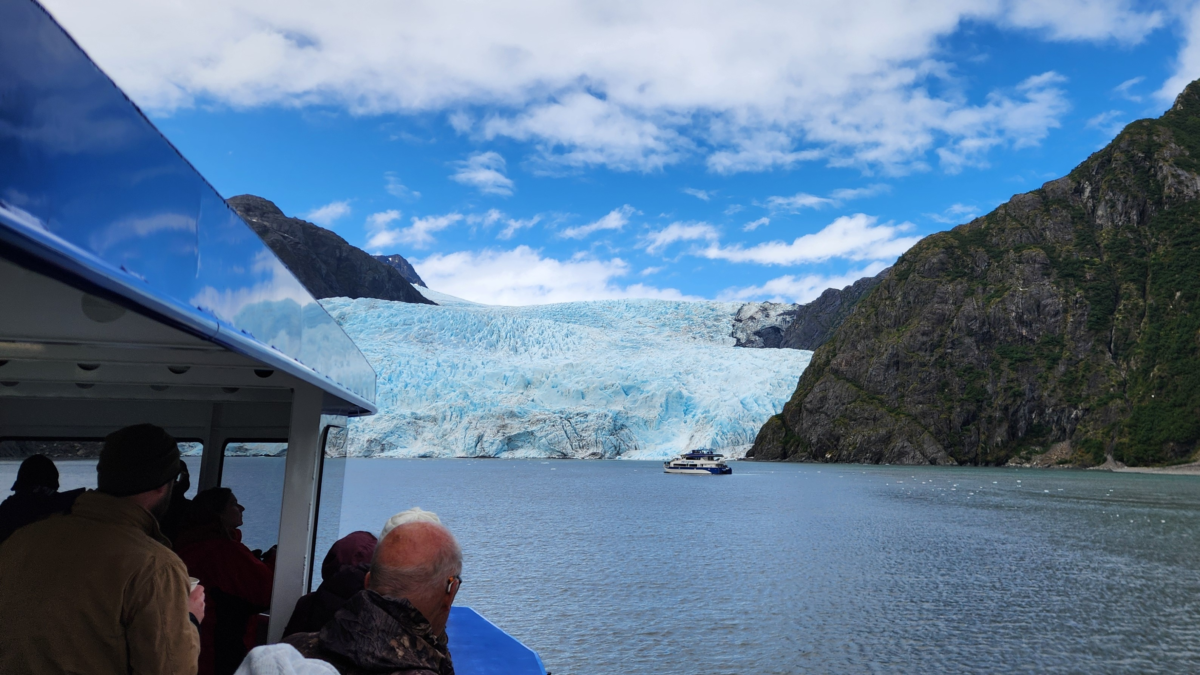
Alaska port days aren’t “wander around and browse shops” afternoons — they’re active days. Most of the experiences worth having here require being outside, often away from the ship, for three to six hours. The gear you carry makes a real difference in how those hours feel.
On my first Alaska trip, I made the mistake of overpacking. I didn’t know what to bring and it’s in my nature to always be prepared. But I got tired carrying a heavy pack around and now my port day kit is the same every single time.
Here’s what I reach for on every Alaska excursion:
- Packable daypack (20–30L) — Big enough for layers, water, snacks, and camera gear, compact enough to not feel like you’re hauling freight. This packable daypack compresses to the size of a water bottle and has never failed me on a full-day outing.
- Binoculars — This one gets overlooked until the exact moment a humpback breaches 150 yards off the bow and you’re squinting. These binoculars give you sharp 20x magnification with enough light-gathering to spot wildlife in Alaska’s frequently overcast conditions — and they packs easily into a daypack.
- Reusable water bottle — You’ll be outside for hours, often away from any food or water options. Fill it before you leave the ship. A 24oz bottle hits the sweet spot — big enough to last through a shore excursion, small enough to fit in a day pack without taking over.
- Snacks — Once you’re out on a trail or exploring a port town, food options can disappear fast. Toss a couple of energy bars or trail mix in your day pack so hunger doesn’t cut the adventure short.
- Hand warmers (2–4 pairs) — Small, cheap, and worth their weight whale watching or on an open-water excursion when the wind picks up. Toss them in your daypack and forget about them until you need them.
- Dry bag or waterproof sack — For your phone, wallet, and anything you can’t afford to get wet. Alaska rain comes fast and heavy.
With your excursion kit sorted, the last piece of the puzzle is protecting yourself from the elements specifically.
🧭 Planning a Shore Excursion?
If you haven’t booked your shore excursions yet, Viator has a solid selection of Alaska cruise excursions across all the main ports.
Alaska Bug & Weather Protection
Alaska weather doesn’t follow a script. You can start a port day in cool sunshine, get caught in a sideways rain squall by noon, and be back in sun by the time you return to the ship. Wind, cold, rain, and yes — even UV exposure — are all part of the picture, sometimes on the same day.
The good news is that the right gear handles all of it without overpacking. Here’s what actually earns a spot in your bag:
- SPF 30+ sunscreen and lip balm — Keep both in your daypack. Reapply on long open-water excursions.
- Polarized sunglasses — Polarized lenses cut the reflection and help you see detail in the water and ice.
- Buff or neck gaiter — More practical than a scarf for layering and packs flat. On a cold morning whale watch, your neck is the first place heat escapes. A wool or fleece buff solves that.
- Compact travel umbrella — Useful for light rain days in port when you don’t want to wrestle with your rain jacket. Small enough to fit in a daypack side pocket and worth having on ship days too.
- Bug spray — Alaska’s scenery is stunning, but the mosquitoes are not. Wooded trails around Juneau and Ketchikan can get surprisingly buggy in the summer months, especially after rain. I keep Sawyer Picaridin Insect Repellent in my day pack — it’s effective in heavy mosquito areas without the harsh smell of traditional DEET sprays.
Dohrn Travels covers the full Alaska picture — from packing guides like this one to port-by-port excursion reviews and what to actually expect on embarkation day. Follow along so you don’t miss the guides that matter for your trip.
🌎 Travel Essentials & Trip Planning:
Gear up and plan your next Cruise adventure with my top recommendations!
🧳 Find travel gear, accessories, and essentials I personally use on my
Dohrn Travels Store.
What to Skip on an Alaska Cruise


This is the section that saves you from overpacking — which almost everyone does on their first Alaska cruise. The temptation is to plan for everything. The reality is that Alaska is a specific environment, and most of the “just in case” items you’re considering won’t see any use.
- Extra swimwear — You might use the ship’s pool or hot tub once, maybe twice. Bring one swimsuit. Leave the beach cover-up, the second bathing suit, and the rashguard at home. Unless you’ve booked a spa package — in that case, a second swimsuit makes sense.
- Formal wear beyond one smart outfit — Alaska cruise lines skew decidedly casual. One sharp dinner outfit covers every formal night on your itinerary. A second dress or suit takes up space that your warm clothes actually need.
- Heavy cotton clothing — Jeans, thick cotton hoodies, cotton socks — these are fine for lounging on the ship, but pack them sparingly. Out in the ports and on excursions, cotton holds moisture and stays cold once wet. Alaska’s dampness makes that a real problem fast. Save the cotton for sea days and make sure your excursion layers are quick-dry.
The ship provides hair dryers, bath towels, and basic toiletries in the cabin. Don’t duplicate what’s already waiting for you. The space you save goes to the gear that actually earns its keep out there.
🚢 Ready to lock in your Alaska cruise?
CruiseDirect lets you compare itineraries and pricing across cruise lines in one place.
Downloadable Alaska Cruise Packing Checklist (Printable + Reusable)
A full packing guide is great for context and strategy — but when you’re actually packing the night before you leave, you need a clean checklist you can move through quickly without re-reading an article.
I’ve put together a printable Alaska cruise packing checklist that covers every category in this guide. Save it, print it, or pull it up on your phone the night before you leave.
👉Download the Free Alaska Cruise Packing List Here
It’s reusable across Alaska trips — once you’ve fine-tuned it for your travel style, it becomes a reliable starting point every time you head to Alaska. Mark off what you’ve packed, note what you’re leaving behind intentionally, and board the ship with confidence.
What to Pack for an Alaska Cruise FAQs

Do I need rain gear for an Alaska cruise?
Yes — and not just any rain gear. A genuinely waterproof outer layer is the most important thing on your Alaska cruise packing list. Alaska’s Inside Passage averages over 150 inches of rain annually in some ports. You will get rained on. The only question is whether you’re ready for it when it happens.
How cold does it get on an Alaska cruise?
Daytime temperatures during Alaska cruise season (May through September) typically run from 45°F to 65°F, with wind chill making it feel meaningfully colder on open-water excursions or during early morning glacier viewings. Even in peak summer, mornings near glaciers can dip into the low 40s. Pack layers and plan for real cold, not just cool evenings.
What shoes should I wear on an Alaska cruise?
Waterproof trail shoes or light hiking boots are the most important footwear choice for Alaska port days. The terrain varies from muddy forest paths to slick wooden harbor boardwalks, and regular sneakers won’t keep your feet dry or provide enough grip on wet surfaces. Bring one pair of casual shoes for the ship and lighter days ashore, and you’re covered.
Is Alaska a good cruise destination for families?
Alaska is one of the best cruise destinations for families, partly because the experience is built around wildlife and outdoor discovery rather than nightlife or beach clubs. An Alaska cruise packing list for families follows the same core approach — waterproof layers, sturdy shoes, binoculars — just sized for everyone in the group. Rain gear and broken-in waterproof shoes in kids’ sizes are harder to find in small Alaska port towns, so those are worth sourcing before you leave home.
You’ve Got This
Now you know what to pack for an Alaska cruise — and more importantly, what not to. The principle is simple: layers and protection over options and variety.
Your first Alaska cruise is going to surprise you in the best ways. The glaciers are bigger than you expect. The wildlife shows up when you least expect it. And the rain? You’ll barely notice it once you’re dressed for it.
For the complete foundation — documents, cabin essentials, embarkation tips, and everything that travels with you regardless of destination — head back to our Ultimate Cruise Packing List.
If a Caribbean cruise is already on your radar for next year, the packing approach couldn’t be more different: lighter layers, reef-safe sunscreen that’s actually required at some ports, and a dry bag that earns its weight every single day. Here’s our complete Caribbean Cruise Packing List when you’re ready to plan that one.
Adventure Awaits. Book It!
Caribbean Cruise Packing List for the First Time Cruisers The Ultimate Cruise Packing List: What to Bring, What to Skip, and How to Pack Smart (2026 Guide) Alaska Road Trip: 10 Remarkable Days on the Kenai Peninsula Alaska Wildlife Tour: The Best Way to Meet Alaska’s Wildlife Face-to-Face at AWCC Kenai River Fishing Charter: My Honest Review of King of the River in Alaska Places to Stay in Seward Alaska: You’ll Love This Coastal Town Kenai Fjords Cruise: Is the Major Marine Tour Worth It? (Full Review + Tips) Essentials for Traveling: Travel Essentials I Actually Use and Love The Best Travel Must Haves for Every Trip
Don’t forget to pin this post for future planning!