By Brian Dohrn | Dohrn Travels | Cruise Packing List
Packing for a cruise can feel overwhelming—especially the first time.
If you’re anything like me, you end up pulling everything out of the closet, tossing it on the bed, and then just standing there wondering how it’s all supposed to fit in the suitcase. And wondering, do I really need half of it?
Cruises are deceptively tricky to pack for. Unlike a regular hotel stay where you just toss things into a bag, a cruise demands real cruise packing list strategy.
You’re dealing with limited cabin storage, multiple dress codes, port excursions that need their own gear, and a ship that practically guarantees you’ll sunburn if you don’t come prepared. Oh — and your luggage might not arrive in your cabin for hours after you board.
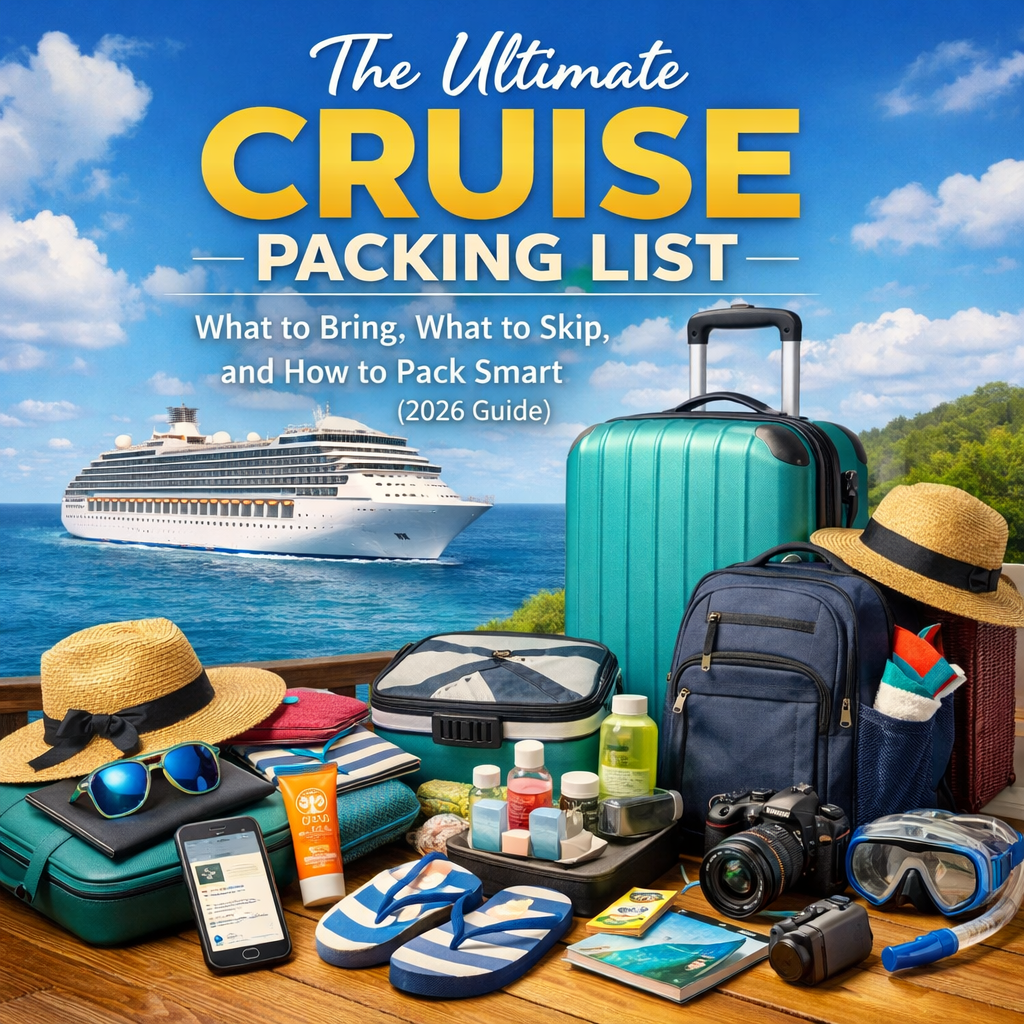
I built this guide around what actually gets used on a cruise — not just what sounds useful. Whether it’s your first time setting sail or you’re a seasoned cruiser looking to tighten up your packing game, I wish I had this cruise packing list from the start.
🧡 Support Dohrn Travels
Some of the links in this post are affiliate links — which means if you click and book a stay, shop for gear, or plan a cruise, I will earn a small commission (at no extra cost to you).
Your clicks help keep the blog going — and I truly appreciate the support 🙌
Table of Contents
- The Cruise Packing List Short Version — If You're In a Hurry
- Before You Pack — What Actually Shapes Your Cruise Packing List
- Cruise Travel Documents & Essentials — What Actually Stops Your Trip If Missing
- The Cruise Packing List — What Goes in Every Bag
- Cruise Carry-On Essentials — What to Keep With You on Embarkation Day
- Cruise Must-Haves You Probably Didn't Think to Pack
- What to Pack for a Cruise Based on Your Destination
- What NOT to Bring on a Cruise (Just as Important as What You Pack)
- Downloadable Cruise Packing Checklist (Printable + Reusable)
- How to Pack for a Cruise — Tips to Maximize Space and Stay Organized
- Cruise Packing List FAQs: Your Most Common Questions Answered
- Final Thoughts: Pack Smart, Not Heavy
The Cruise Packing List Short Version — If You’re In a Hurry
Packing for a cruise is different from packing for any other trip. Limited cabin storage, multiple dress codes, port excursions, and embarkation day logistics all require a more intentional approach than a standard hotel vacation.
What this article covers:
- Personalize before you pack. Cruise line, destination, and trip length all determine what actually belongs on your list. A Caribbean cruise and an Alaska cruise require completely different gear.
- Documents are non-negotiable. Passport, boarding pass, travel insurance, excursion confirmations, and a lanyard for your cruise card should always travel in your carry-on — never in checked luggage.
- Pack less clothing than you think you need. The one outfit per day minus two rule works consistently. Rolling clothes and using packing cubes maximizes limited cabin space.
- Your carry-on is your lifeline on embarkation day. Checked bags can take hours to arrive. Medications, swimsuit, charger, snacks, and all documents must be with you when you board.
- A few non-obvious items make a significant difference. Magnetic hooks, a cruise-approved power strip, a collapsible day bag, and a dry bag are consistently among the most useful items cruisers bring.
- Sun, health, and motion sickness prep belongs on every list. These items cost significantly more onboard. Reef-safe sunscreen, hydration packets, and motion sickness medication should be purchased before departure.
- Destination changes everything. Caribbean sailings prioritize beach and water gear. Alaska requires waterproof layering systems. Mediterranean cruises call for smart-casual clothing and comfortable walking shoes.
- Knowing what not to pack matters as much as knowing what to bring. Irons, candles, surge-protected extension cords, and certain food items are prohibited on most cruise lines.
- How you pack is as important as what you pack. Packing cubes, rolling casual clothing, and building your carry-on last are practical strategies that improve the cabin experience from day one.
Bottom line: A well-planned cruise packing list is curated, not exhaustive. Pack for the specific trip, the ports on your itinerary, and the dress codes of your cruise line — and leave the rest at home.
🚢 Ready to book your next sailing?
CruiseDirect makes it easy to compare cruise lines, itineraries, and pricing all in one place.
Before You Pack — What Actually Shapes Your Cruise Packing List
Before you open a single drawer, take five minutes to think about the trip itself.
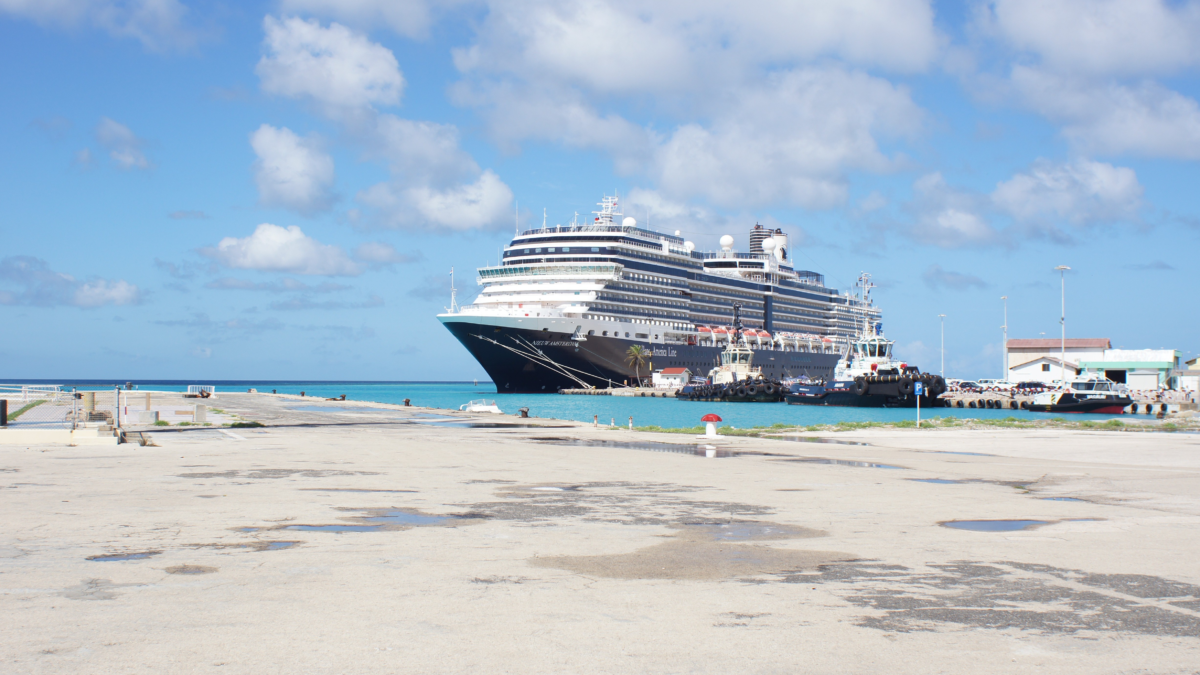
The biggest packing mistakes happen when people treat every cruise the same — and they’re not. The cruise line you’re sailing with, the ports on your itinerary, and how many nights you’re at sea all completely change what you should bring.
Cruise line matters more than people think.
- Carnival is casual and beach-forward.
- Celebrity leans upscale with a few formal nights.
- Disney requires kid-friendly planning and character dinner attire.
- Holland America leans classic and refined.
- Norwegian is laid-back and flexible.
If you’re on a mainstream Caribbean cruise, you probably don’t need a suit. If you’re on a luxury European voyage, you’ll want smart-casual options most nights.
Your itinerary drives your wardrobe.
- A Caribbean cruise calls for swimsuits, reef-safe sunscreen, and light layers.
- Alaska cruise demands waterproof gear, thermals, and sturdy boots.
- A Mediterranean cruise means comfortable walking shoes and modest cover-ups for historic sites.
You’ll want to pack for the ports, not just the ship.
Trip length determines how much you actually need.
- For a 5–7 night cruise, most people can travel with a single checked bag plus a carry-on.
- For 10+ nights, you may need to plan around laundry options or upgrade to a larger bag.
The good news: ships have laundry services, which means you can re-wear more and pack less.
📌First-time cruisers: pack 20% less than you think you need. You’ll thank yourself the moment you try to close the cabin closet.
Cruise Travel Documents & Essentials — What Actually Stops Your Trip If Missing
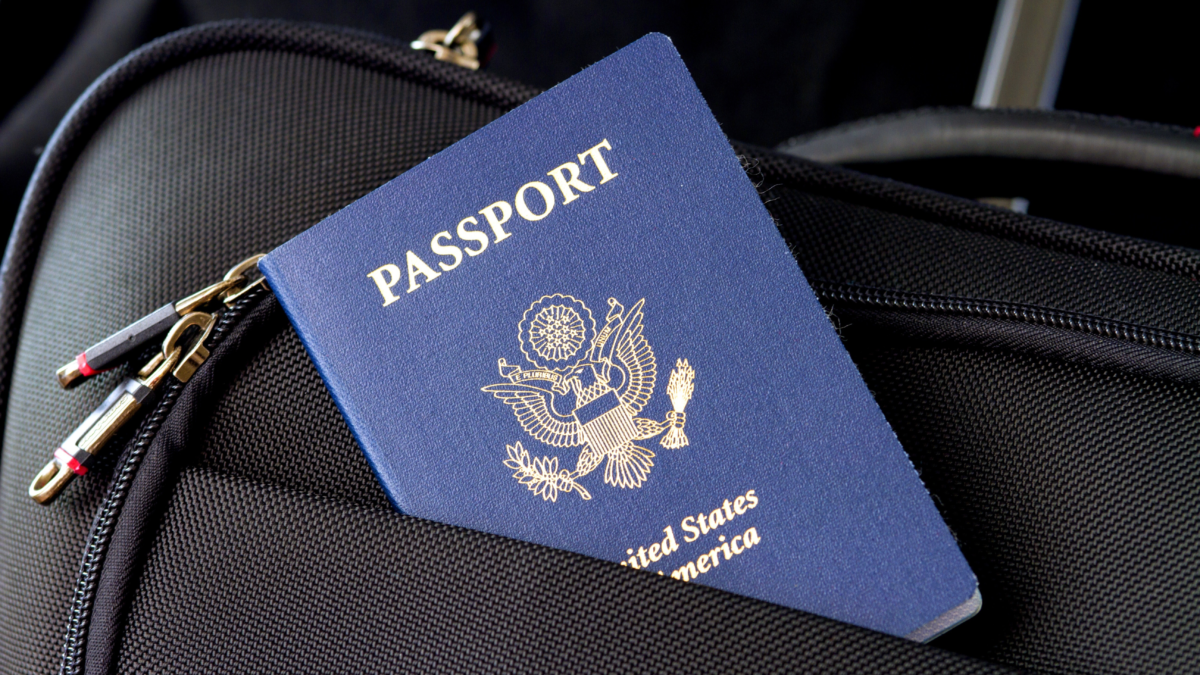
Nothing kills the vacation energy faster than reaching the embarkation terminal and realizing your passport is on the kitchen counter at home.
This section isn’t glamorous, but it’s the most important one in this entire cruise packing list guide. Get it wrong and you don’t board.
Keep all of these in one dedicated travel wallet or folder — and never pack it in your checked luggage. These documents go in your carry-on, always.
Here’s what you absolutely cannot leave without:
- Passport or government-issued ID — Most international cruises require a passport. Even for closed-loop sailings that technically allow a birth certificate plus ID, bring your passport anyway. It’s your lifeline if you miss the ship in a foreign port.
- Printed boarding pass and cruise confirmation — The cruise app often works, but terminals can have spotty Wi-Fi and agents sometimes want physical documentation.
- Country-specific entry requirements — Visas, health declarations, or entry forms for your ports. Check these at least two weeks before sailing — requirements can change.
- Excursion confirmations — If you booked third-party tours, have those printed or downloaded offline. Don’t rely on cell service in port.
- Travel insurance documents — Hopefully you won’t need them, but if you miss a port or have a medical issue at sea, this is critical. Know your policy number and the emergency contact line.
- Cash and cards — Bring your credit card for port days, plus a small amount of local cash (USD works in most Caribbean ports) for vendors, taxis, and smaller purchases. Notify your bank before sailing.
- Lanyard for your room key / cruise card — This small thing matters more than you’d expect. Your ship card is your ID, your charge card, and your room key all in one. A lanyard keeps it accessible and saves you from digging through a bag every time you board or buy a drink.
- Pen — For customs forms on the way home. Somehow there’s never one available when you need it.
📌 Make digital copies of everything — passport, insurance, confirmations — and email them to yourself. If your bag gets lost or your phone dies, you’ll have access from any device.
The Cruise Packing List — What Goes in Every Bag
This is the heart of the cruise packing list — the core gear that makes your cruise actually work, from sea days to formal nights to port adventures. I’ve broken this into categories because the way you pack matters as much as what you pack.
Clothing & Packing for the Ship
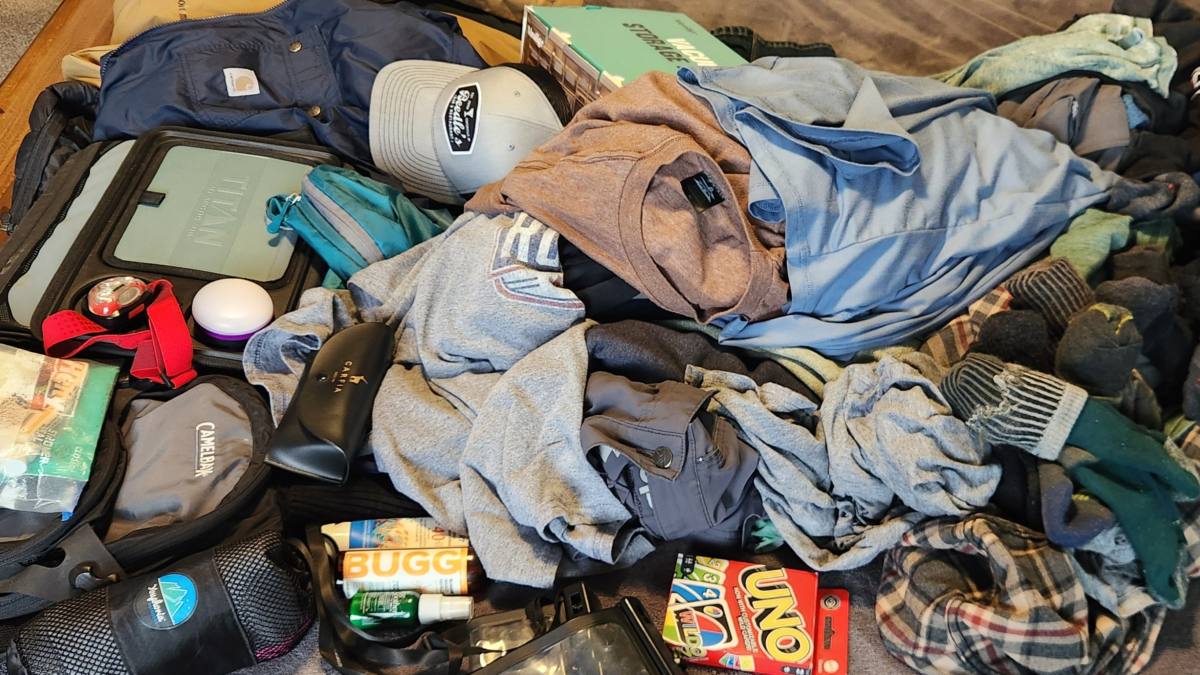
Clothing is where most people overpack, and it’s easy to see why.
You’re imagining every scenario — the formal dinner, the beach day, the rainy afternoon, the casino night.
The reality? On most 7-night cruises, you’ll repeat outfits more than you expect, and nobody notices because everyone is focused on their own trip.
The general rule I use now: pack one outfit per day, minus two. For a 7-night cruise, that means five day outfits, three evening looks, and two swimsuits. That’s it. Roll everything and use packing cubes — you’ll be shocked how much fits.
For the ship itself, here’s what actually gets worn:
- T-shirts, tank tops, and casual tops — These are your sea day staples. Pack 3–4 and you’re covered.
- Shorts and one pair of jeans or pants — Pants double as evening wear on smart-casual nights. One pair is enough.
- Swimsuits (2) — Two is the right number. One to wear, one to dry.
- Sundresses or light cover-ups — Perfect for transitioning from pool deck to a casual lunch without a full outfit change.
- Evening wear for smart casual nights — Collared shirts or blazers for men; dresses, blouses, or pantsuits for women. Most dinner nights are smart casual, not black tie.
- Formal wear (if applicable) — One nice suit or cocktail dress if your cruise line has formal nights. Disney and Celebrity tend to lean dressier; Carnival and Norwegian are more relaxed. Check your itinerary before packing a tuxedo.
- A light cardigan, wrap, or sweatshirt — Ships are cold inside. The dining rooms, theaters, and casinos are aggressively air-conditioned. I always bring a hoodie even on Caribbean sailings.
- Sleepwear and workout gear — Don’t skip these if you use the gym or walking track or prefer to stay cozy on sea days.
Shoes: The Underrated Part of the Cruise Packing List
Shoes take up more space than almost anything else in your bag, and they’re the category most people overpack. I’ve seen people bring five pairs for a 7-night cruise — and wear two of them.
The 3-shoe formula works every time: a comfortable walking shoe for port days, a casual sandal or flip-flops for the pool and beach, and one slightly dressy pair for evenings. That’s three pairs, and they cover every situation you’ll encounter on most cruises.
- Comfortable walking shoes — This is your most important pair. Port days mean walking — on cobblestones, on uneven terrain, sometimes for miles. Sneakers, supportive sandals like Tevas, or Birkenstocks all work depending on your itinerary.
- Sandals, flip-flops, or Crocs — For the pool deck, the beach, and casual ship days. Crocs are polarizing but genuinely practical on a cruise — they dry instantly and go from beach to buffet without missing a beat.
- One dressier pair — Heels, flats, loafers, or nicer shoes for formal or smart-casual dinners.
📌Water shoes are worth adding if your itinerary includes rocky beaches, snorkeling, or any beach excursion with uneven ocean floors. They’re lightweight and protect your feet.
Cruise Must-Haves for Port Days & Excursions
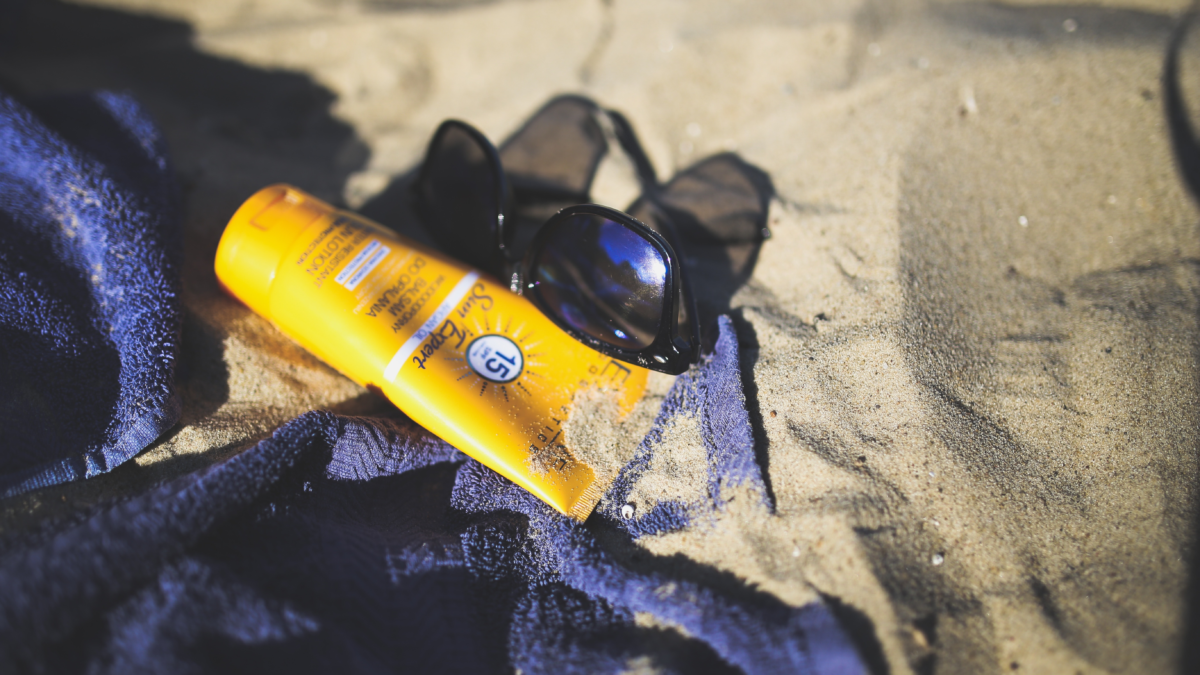
Port days are where your cruise packing list really gets tested.
You’re off the ship, often in warm, humid weather, dealing with everything from tender boats to beach days to adventure tours. This is not the time to realize you don’t have a bag to carry things in.
I used to stuff a tote bag with sunscreen, my phone, and cash and call it a day. After one rainy tour in Costa Rica that soaked everything I owned, I upgraded my port day setup completely. Here’s what goes in my bag now:
- Collapsible backpack — This is a game-changer. A lightweight, foldable backpack takes up almost no space in your suitcase but gives you enough space to carry your essentials. I use mine on every single trip.
- Dry bag — Essential if you’re doing water-based excursions, snorkeling, or visiting any beach. Keeps your phone, cash, and documents protected from splashes, rain, and accidents.
- Waterproof phone pouch — Even if you have a dry bag, a neck pouch for your phone means it stays accessible without worrying about water damage.
- Microfiber beach towel — Lighter than a regular towel and dries faster and easy to pack. The ship provides towels, but bringing your own means you’re not charged if one goes missing.
- Beach towel clips — Small and easy to forget, but they keep your towel from blowing off the chair.
- Reef-safe sunscreen — Many ports require it by law. Bring yours from home — it’s significantly cheaper than buying on board or in port.
- Bug spray — Especially for tropical ports, jungle excursions, or any outdoor adventure.
- Rain jacket or poncho — A lightweight, packable rain jacket weighs almost nothing but can save a tour.
- Rash guard — Provides sun protection when you’re in the water longer than you planned. More effective than constantly reapplying sunscreen during a snorkel tour.
- Snorkel combo set — If snorkeling is on your itinerary, bringing your own set is worth it. Rental equipment varies wildly in quality, and having familiar gear makes the experience better.
🧭 Planning a Shore Excursion?
Booking port excursions independently is often cheaper and more flexible than through the ship — Viator is where I look first.
Sun Protection & Health Essentials Most People Forget
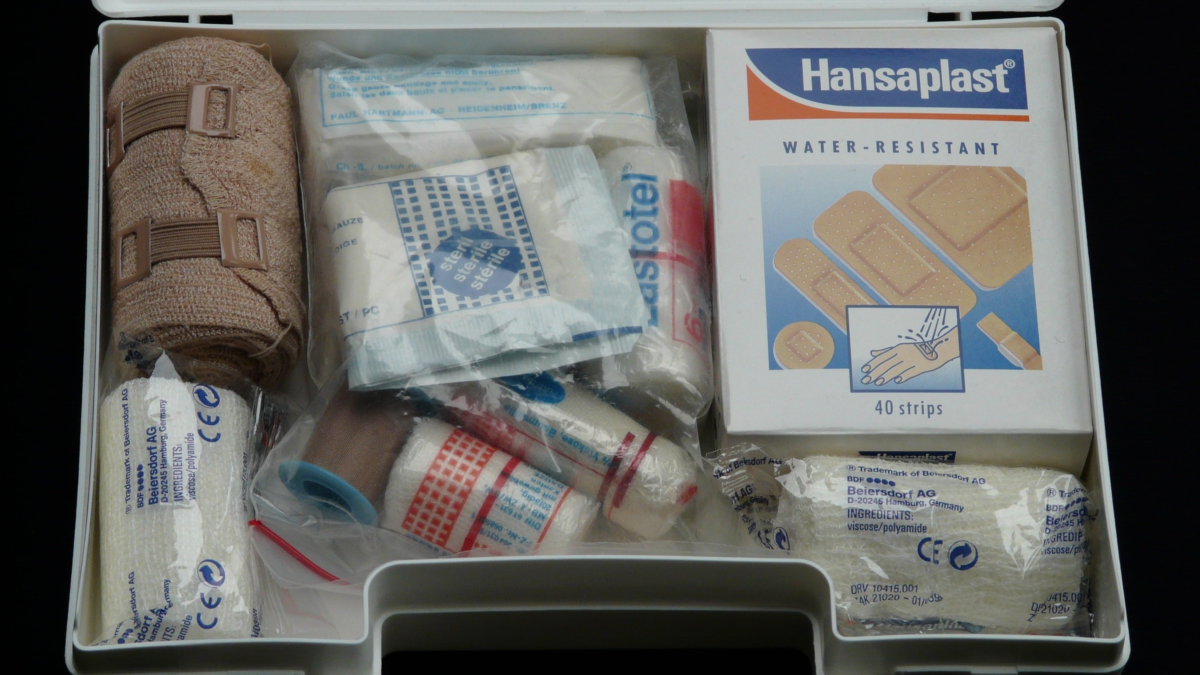
This is the category where people try to wing it and regret it. Sun at sea is intense — the reflection off the water amplifies UV exposure significantly. And motion sickness? Even people who’ve never been seasick before can be caught off guard by the open ocean.
Everything in this section costs more onboard than at home. So, buy before you go.
- Reef-safe sunscreen (SPF 30+) — Bring more than you think you need, especially for a week of beach days. I like using Badger, I find it works better than other mineral sunscreens.
- Aloe vera gel — Even with sunscreen, a long day in the sun can leave you burned. Aloe is the fastest relief and packs flat.
- Lip balm with SPF — Your lips burn too. This is the thing people never pack and always wish they had.
- After-sun lotion — Different from aloe, and worth bringing both. Helps with moisture and healing on longer trips.
- Motion sickness medication — Sea-Bands, Dramamine, Bonine, or prescription patches if you’re prone. Even calm seas can feel rocky on your first day or in rough weather.
- Hydration packets (Salt Stick or similar) — Hot weather, sun exposure, and a few tropical drinks add up fast. I always add Salt Stick electrolytes my water bottle, and the difference in how I feel day by day is noticeable.
- Basic first aid and medications — Advil, Tylenol, cold medicine, antacids, allergy meds, anti-diarrheal. Travel disrupts happen. A small kit takes up minimal space and handles most issues before they derail your day.
- Hand sanitizer and disinfecting wipes — Cruise ships have a lot of high-touch surfaces. Staying on top of hand hygiene genuinely reduces your chances of getting sick mid-trip.
📌Several Caribbean and Pacific ports have banned chemical sunscreens to protect coral reefs — check the reef-safe sunscreen guidelines before you buy.
📌For the most current health recommendations before sailing, the CDC’s cruise ship travel health page is worth a quick read
Toiletries & Personal Items: What to Bring vs. What to Skip
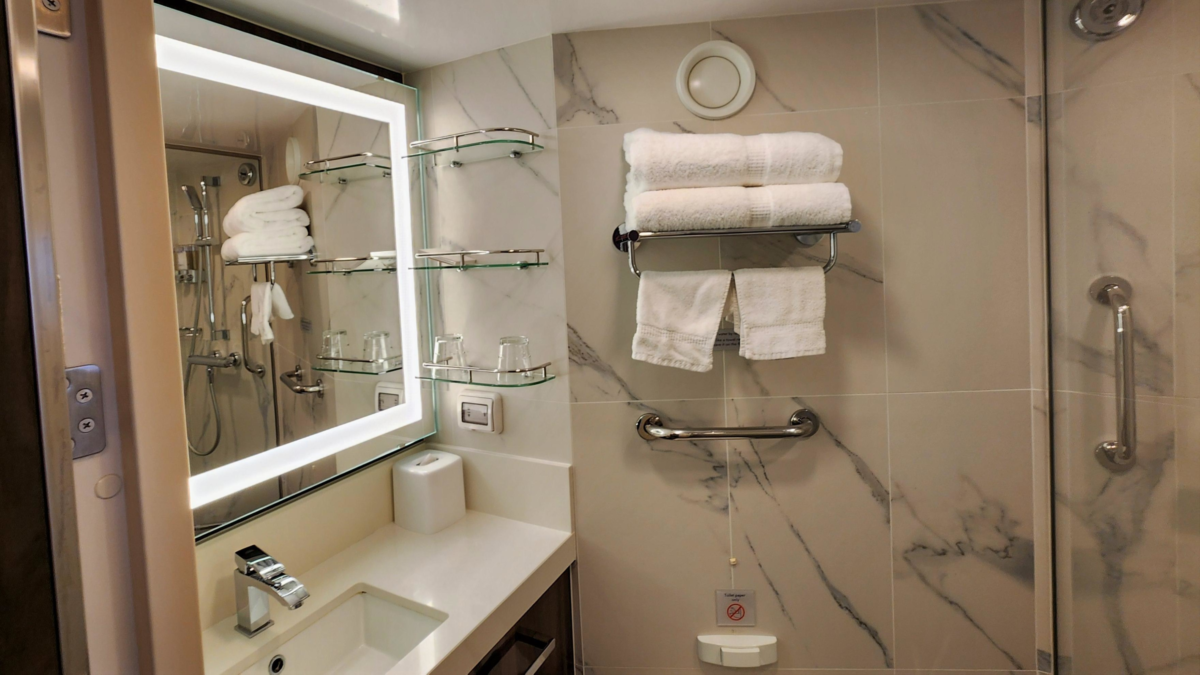
Cruise ship cabins provide the basics — soap, shampoo, conditioner, and lotion are typically in the bathroom. But “the basics” is doing a lot of work in that sentence. The quality is minimal, and if your hair or skin has any specific needs, you’ll want your own products.
The key here is TSA-friendly sizing and being honest about what you actually use daily versus what just travels with you out of habit.
When in doubt about what’s allowed in your carry-on, the TSA’s official what’s allowed list is the quickest way to check before you pack.
- Shampoo, conditioner, and body wash — Bring travel sizes or refillable bottles. The ship provides them, but they’re often generic and dry.
- Toothbrush, toothpaste, floss, and deodorant — These are true non-negotiables. Don’t assume you can buy them onboard in a pinch without paying resort pricing.
- Moisturizer — Salt air and sun dry out skin fast. A good moisturizer used morning and night makes a real difference by day four.
- Hair tools and products — Cabins usually have a hairdryer, so you can skip that. Bring what you actually use — heat styling tools, sprays, dry shampoo, etc.
- Feminine hygiene products — Bring your own supply.
- Razor, nail clippers, tweezers — Easy to forget when packing quickly. Pack them in a small toiletry kit so they’re always ready to go.
- Makeup and skincare — Keep it to what you genuinely use on vacation, not your full routine.
📌Skip full-size personal items. Pour into travel bottles or buy travel sizes. Cabin bathroom counter space is limited and there’s no point hauling more than you’ll use in a week.
Tech & Cruise Cabin Essentials That Make Life Easier Onboard
The tech section of the cruise packing list is where smart decisions make a real difference — and where most people forget one critical item.
Most cruise ship cabins have 2-3 outlets. That’s it. You have a phone, your partner’s phone, a camera, earbuds, maybe a tablet.
These are the items I consider essential for a comfortable cruise:
- Cruise-approved power strip (non-surge protected) — Bring one that does NOT have surge protection — ships don’t allow surge-protected strips. A simple multi-outlet adapter solves your charging problem immediately.
- Phone and extra charging cables — Bring at least one backup cable. They get left behind, bent, or damaged on vacation trips.
- Power bank — For long port days when you’re away from the ship for hours. Nothing worse than a dead phone when you’re navigating a port city.
- Headphones or earbuds — Sea days are long. Whether you’re lounging on the deck, watching a movie in the cabin, or trying to sleep while your cabin mate stays up, headphones matter.
- GoPro — For water-based excursions, snorkeling, zip lines, or just capturing what your phone can’t. A floating handle is worth having while snorkeling.
- E-reader or tablet — Sea days are perfect for reading. An e-reader loads hundreds of books without taking up space. A tablet doubles as entertainment for movies if you’re in your cabin on a rough day.
- HDMI cable (optional) — Some cruise cabins allow you to connect a device to the cabin TV. Not essential, but nice for movie nights.
Flying into Fort Lauderdale before your cruise? Check out my guide to the Best Stores Near Fort Lauderdale Cruise Port so you can grab anything you forgot without the onboard markup.
Cabin Organization Hacks That Make a Small Room Feel Bigger
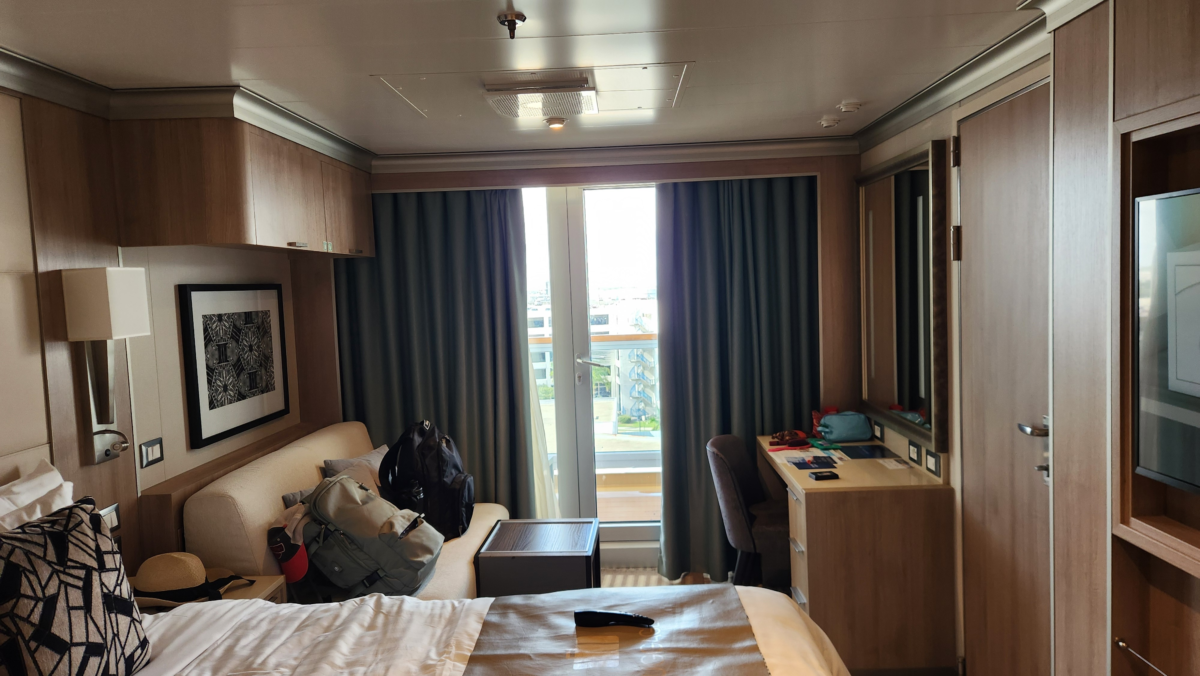
Cruise cabins are compact by design. A standard inside cabin runs around 150–175 square feet, which sounds small because it is. Two people sharing that space for a week with luggage, gear, and formal outfits can feel chaotic without a plan.
The difference between a cabin that feels cramped and one that feels manageable almost always comes down to organization. These items cost little and make the whole trip more comfortable:
- Magnetic hooks — Magnetic hooks are a must have item. Ship walls are metal, which means magnetic hooks stick instantly — no hardware needed. I use them hats, bags, jackets, and drying clothes. They’re light, pack flat, and add vertical storage that the cabin doesn’t otherwise have.
- Over-the-door organizer — Hangs on the bathroom door and holds toiletries, sunscreen, medicines, and small items that would otherwise clutter the counter. Keeps everything visible and accessible.
- Nightlight — Cruise cabin blackout curtains are excellent, which means the room is genuinely dark when you need to navigate to the bathroom at 3am without waking your partner.
- Earplugs — Ships aren’t completely silent. Hallway sounds, engines, neighbors, and late-night entertainment all add up depending on your room location. If you’re a light sleeper, bring them.
- Air freshener or Poo-Pourri — Small cabin, small bathroom, shared by two people for a week. This is a kindness to everyone.
- Laundry bag — Keeps dirty clothes separate and organized. Makes unpacking at home much easier.
📌Pack a headlamp or download a flashlight app — if the ship’s power fluctuates or you’re navigating a pitch-dark cabin in the middle of the night, it helps.
Drinks, Snacks & Small Comfort Items That Improve Your Trip

This is the section that sounds optional until you’re relaxing by the pool in the hot sun and wishing your drink was still cold, or you are on an excursion and wishing you had something to snack on.
Here are a few small additions to your cruise packing list that can make your cruise vacation comfortable and enjoyable.
- Insulated water bottle — Staying hydrated on a cruise is genuinely harder than it sounds. The ship has water available, but carrying your own means you always have it. I fill mine every morning and take it on every port excursion.
- Yeti tumbler — I go to the Crows Nest on Holland America every morning to get coffee. I prefer carry coffee in a tumbler than the paper cups.
- Protein bars, jerky, or snacks — The ship has food everywhere, but it’s a good idea to have snacks with you on excursions.
- Ziplock bags — One of the most versatile items you can pack. Use them for snacks, wet gear, organizing small items, protecting documents in port, and keeping your phone dry in a pinch.
- Reusable straw and drink koozie — Small touches that make poolside drinks better. Drinks get warm fast poolside, I always pack a couple koozie to keep my drink colder longer.
Cruise Carry-On Essentials — What to Keep With You on Embarkation Day
Embarkation day is simultaneously exciting and chaotic. You check your luggage at the port, board the ship, explore everything — and your cabin typically isn’t ready until 1–2pm. Your checked bags might not arrive until 3–4pm, sometimes later.
That means for the first several hours of your cruise, everything you need has to be with you. I’ve watched people board the ship in full formal wear because their swimsuits were buried in checked luggage. Don’t do that.
Here’s what never leaves your carry-on on embarkation day:
- All travel documents — Passport, boarding pass, insurance, confirmations. Never, ever in checked luggage.
- Medications — Any prescription medications go in your carry-on. Airlines and cruise lines can lose luggage. Your medication should never be separated from you.
- Phone charger and power bank — You’ll be taking photos, navigating the ship, and checking-in digitally from the moment you arrive.
- Swimsuit and change of clothes — The pool is open the moment you board.
- Snacks — There’s food on the ship immediately, but port terminals can have long waits. Having a bar or snacks in your bag keeps energy up through the check-in process.
- Any valuables — Jewelry, electronics, or anything you wouldn’t want lost or damaged in transit.
If you’re sailing out of South Florida, my Fort Lauderdale Cruise Port Guide walks you through everything you need to know about Port Everglades before you arrive.
Cruise Must-Haves You Probably Didn’t Think to Pack
Every experienced cruiser has a handful of items they now bring without question — things they discovered the hard way or stumbled on by accident that quietly became essential. These are those items.
These aren’t gadgets or luxuries. They’re simple things that solve real problems on board:
- Lanyards for cruise cards — Your cruise card is your ID, room key, and payment method in one. A lanyard keeps it around your neck and accessible. Losing it means a trip to guest services at the worst possible moment.
- Cruise Luggage Tag Holder — You need cruise luggage tag holders for your check luggage. Print off the luggage tags from cruise line before arriving at the port and attach it to your luggage.
- Wrinkle release spray — Formal night arrives and your dress shirt looks like it survived two weeks in a backpack. Wrinkle spray fixes that.
- Travel detergent packets — For a quick wash of swimsuits, workout clothes, or anything that needs a refresh between port days. Laundry service exists but costs extra.
- Binoculars — Alaska, Norway, and scenic cruising itineraries especially. Watching wildlife or sailing into a glacier fjord is dramatically better with a good view. Compact binoculars pack easily.
- Portable fan — Cabins have AC but not always the directional airflow you want. A small USB fan pointed at the bed makes sleeping noticeably more comfortable.
- Deck of cards or small games — Sea days stretches are long and not everyone wants to be at the pool for six straight hours. A card game or travel game is genuinely one of the best things you can pack for group trips.
For gear that goes beyond the cruise, check out my full list of Travel Must Haves — the items I actually bring on every trip, no matter the destination.
What to Pack for a Cruise Based on Your Destination
The ship might be the same, but the port locations change everything about what you actually need. Here’s a quick breakdown by destination:
Caribbean Cruise Packing List
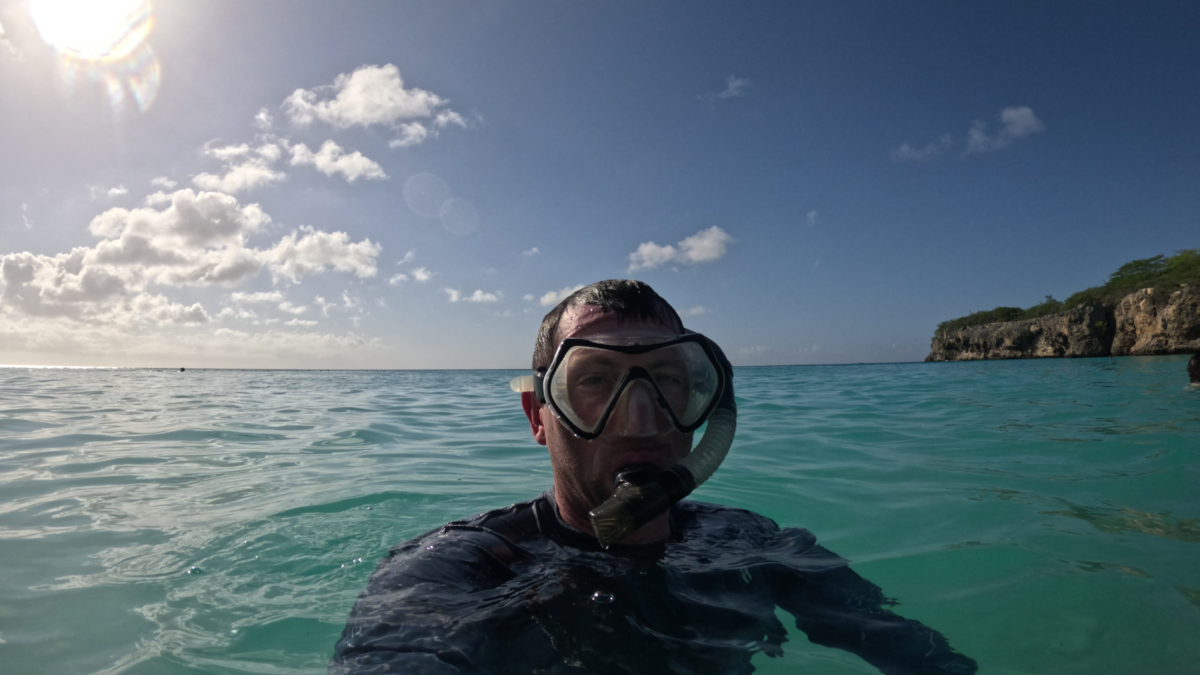
The Caribbean is warm, humid, and water-forward. Pack light, pack for the heat, and prioritize beach and excursion gear.
Caribbean cruise packing list include:
- Swimsuits
- Reef-safe sunscreen
- Rash guard for sun protection
- Water shoes for coral line beaches
- Dry bag
- Light breathable clothing you won’t mind getting wet or sandy
- Bug spray in tropical areas
Not sure which Caribbean ports are worth your time? My guide to the Best Cruise Ports in the Caribbean breaks down exactly what’s worth revisiting — and what you can skip.
Alaska Cruise Packing List
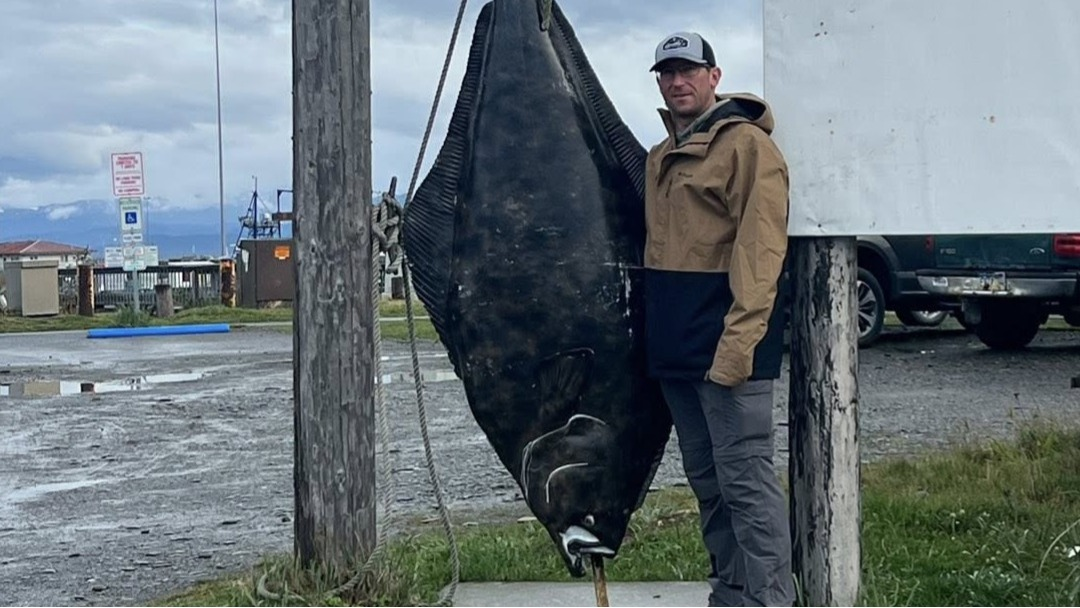
Alaska is the opposite of the Caribbean in almost every way, and it’s spectacular — but you will be underdressed if you’re not prepared.
The Alaska cruise packing list include:
- Moisture-wicking base layer
- Mid-layer fleece
- Waterproof outer shell
- Waterproof boots (port days)
- Gloves
- Warm hat
- Hand warmers for cold days sight seeing
- Binoculars for wildlife viewing
- Camera with zoom (if you have one) other than your phone to capture pictures of whales, eagles, and glaciers.
Extending your Alaska trip beyond the ship? My Alaska Road Trip Itinerary covers 10 days on the Kenai Peninsula — what to do, where to stay, and how to make the most of it.
Mediterranean or European Cruise Packing List
The Mediterranean cruises are culturally rich and architecturally stunning — and they require a slightly more polished wardrobe than a Caribbean sailing.
Mediterranean cruise packing list include:
- Smart-casual clothing that works for both sightseeing and dinner
- Comfortable walking shoes that can handle cobblestones for miles
- Modest cover-ups for churches and historic sites
- A European power adapter for US-plug electronics
🌎 Travel Essentials & Trip Planning:
Gear up and plan your next Cruise adventure with my top recommendations!
🧳 Find travel gear, accessories, and essentials I personally use on my
Dohrn Travels Store.
🌍 Book top-rated hotels where I have stayed near Port Everglades through
Expedia Travel.
What NOT to Bring on a Cruise (Just as Important as What You Pack)

Knowing what to leave behind is just as valuable as knowing what to bring. Cruise lines have specific prohibited items lists, and showing up with something on that list means it gets confiscated at the terminal — or you get flagged entirely. Beyond the rules, there are plenty of things that just take up space and never get touched.
Items most cruise lines prohibit:
- Irons and steamers — Use the ship’s laundry service or wrinkle spray
- Extension cords — Use a cruise-approved multi-outlet adapter instead
- Candles or any open-flame items — Fire hazard on a ship
- Alcohol brought onboard — Most lines allow one bottle of wine or champagne at embarkation only
- Certain foods — Perishable items, meats, and fruit from foreign ports often can’t return to the US
- Marijuana and CBD products — Even in states where legal, ships operate under international maritime law
- Weapons of any kind, including pepper spray — not permitted under any circumstances.
Things the ship provides that you don’t need to bring:
- Towels — the ship provides them (bring your own for beach days if you prefer)
- Basic shampoo, conditioner, and soap — quality is low, but they’re there
- Hairdryer — standard in most cabins
- Life jackets — mandatory safety equipment provided by the ship
The ‘if you’re debating it, leave it’ rule: If you’ve packed something and you’re not sure you’ll use it, take it out. You can buy almost anything you genuinely need at a port stop or on the ship. You can’t un-strain your back from dragging a 70-pound suitcase through the terminal.
📌 Skip it: formal shoes you’ve never broken in. Formal night is not worth blisters. Wear shoes you’ve already worn and feel comfortable in.
Downloadable Cruise Packing Checklist (Printable + Reusable)
A full cruise packing list guide is great for context and strategy — but when you’re actually packing the night before you leave, you need a clean checklist you can move through quickly without re-reading an article.
I’ve put together a printable cruise packing list that covers every category in this guide. Save it, print it, or pull it up on your phone the night before you leave.
👉Download the Free Cruise Packing List Here
It’s reusable across cruises — once you’ve fine-tuned it for your travel style, it becomes a reliable starting point for every trip. Mark off what you’ve packed, note what you’re leaving behind intentionally, and travel with confidence.
How to Pack for a Cruise — Tips to Maximize Space and Stay Organized
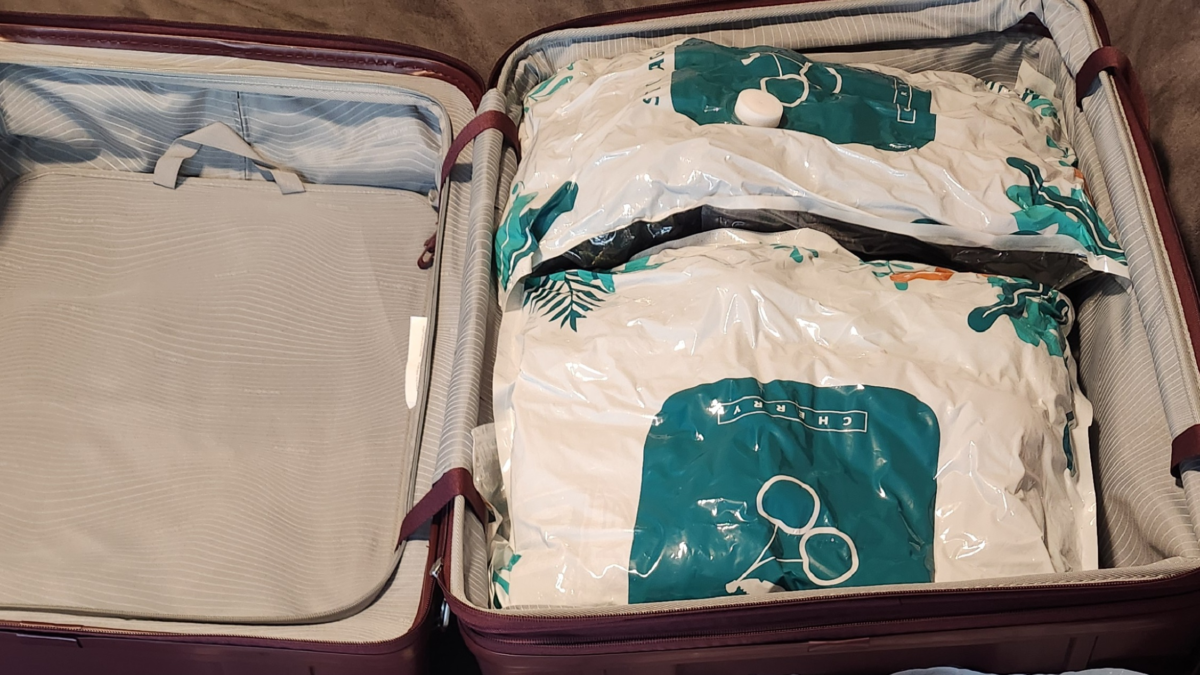
What you pack matters. How you pack it determines whether your cabin feels functional or chaotic from night one. A little strategy goes a long way in a 175-square-foot cabin space.
Rolling vs. folding: Roll casual clothes like t-shirts, shorts, and swimsuits — they compress tighter and resist wrinkles better than folded stacks. Fold structured items like blazers, dress pants, and formal wear to maintain their shape.
Packing cubes or vacuum bags Genuinely worth it on a cruise. The cabin has limited drawer space, and packing cubes mean your clothes stay organized from suitcase to dresser without completely unpacking everything.
One bag per person for shorter cruises: For a 5–7 night sailing, one medium checked bag plus a carry-on per person is more than enough. You’ll move faster through the terminal, avoid baggage fees if flying in, and have a much easier time in the cabin.
Luggage tags and embarkation logistics: Attach your cruise line’s luggage tags before you arrive at the port — they’re usually emailed or mailed in advance. Use bright or distinctive tags so your bags are easy to identify on the pier.
Planning a Cruise Soon?
Still planning your cruise? I usually compare options through CruiseDirect to find the best itineraries and pricing.
Cruise Packing List FAQs: Your Most Common Questions Answered
Do I need a carry-on for a cruise?
Yes — and it’s more important than people realize. Checked bags are collected at the pier and delivered to your cabin later, sometimes not until 3–4pm. Your carry-on should hold everything you need for embarkation day: documents, medications, a swimsuit, charger, snacks, and any valuables.
What toiletries does a cruise ship provide?
Most cruise ships provide basic shampoo, conditioner, body wash, and soap in the cabin. A hairdryer is standard. What they don’t provide (or provide in poor quality): moisturizer, sunscreen, feminine hygiene products, razors, or anything specialized. Bring your own for everything you actually care about.
How many outfits should I pack for a 7-night cruise?
A good rule of thumb: one outfit per day, minus two. That’s roughly five daytime outfits, three to four evening looks, and two swimsuits for a 7-night sailing. Most ships have laundry facilities, which means you can re-wear more and pack significantly less.
Can I bring snacks and drinks on a cruise?
Most cruise lines allow you to bring a small amount of non-alcoholic beverages and sealed, non-perishable snacks on embarkation day. Alcohol policies vary — most lines allow one bottle of wine or champagne per adult at boarding. Check your cruise line’s specific policy before you pack.
What should I NOT pack for a cruise?
Irons, steamers, candles, extension cords, surge-protected power strips, marijuana or CBD products, weapons, and perishable food items are prohibited on most cruise lines. Beyond the prohibited list: anything you’re not sure you’ll use, formal shoes you haven’t broken in, and duplicate items the ship already provides.
Final Thoughts: Pack Smart, Not Heavy
The best cruise packing list isn’t the longest one — it’s the most honest one. It’s the list where you’ve asked yourself what you’ll actually use, what the ship provides, and what you can pick up in port if you genuinely need it.
After too many trips of lugging overpacked bags through terminals, I’ve landed on a simple philosophy: pack for confidence, not for every possible scenario. Bring the things that make you comfortable, prepared for the ports on your itinerary, and covered for the dress codes on your specific cruise line. Leave the rest at home.
A cruise is one of the best vacation formats there is — the ship takes care of so much, the destinations change every morning, and there’s always something to do. The last thing you want is to spend the trip managing a suitcase you can barely close.
Pack smart. Travel light. The adventure is waiting.
Adventure Awaits. Book It!
Fort Lauderdale Cruise Port Guide: Everything You Need to Know About Port Everglades Holiday Inspiration: Useful Gifts for Travelers, Cabin Lovers, and Families Essentials for Traveling: Travel Essentials I Actually Use and Love The Best Travel Must Haves for Every Trip
Don’t forget to pin this post for future planning!