By Brian Dohrn | Dohrn Travels | Caribbean Cruise Packing List
Packing for a Caribbean cruise sounds easy — toss in a few t-shirts, shorts, and sandals and call it good. But there’s more to this Caribbean cruise packing list that people often forget about.
The Caribbean is warm, humid, and wildly beautiful — and it has a few specific packing requirements that catch first-timers completely off guard.
When we think of the Caribbean, most of us picture white sandy beaches. But that’s often not the case. Many Caribbean beaches are lined with coral, making walking barefoot difficult.
And there’s the sun that is often overlooked. In the Caribbean, the sun is powerful, requiring you to wear reef-safe sunscreen, rash guard, and sun hat.
If this is your first Caribbean cruise, you’re in the right place — this list is built around the mistakes most people make on their first sailing.
In this Caribbean cruise packing list guide, I build on my Ultimate Cruise Packing List — if you haven’t started building your packing foundation, start here. This guide builds on it specifically for the Caribbean.
🧡 This post contains affiliate links. If you purchase through them, I earn a small commission at no extra cost to you — it helps keep this site running.
Table of Contents
- Before You Pack: Caribbean Cruise Essentials at a Glance
- What Makes a Caribbean Cruise Different to Pack For
- The Caribbean Cruise Packing List — What You Actually Need
- What Not to Bring on a Caribbean Cruise
- Downloadable Caribbean Cruise Packing Checklist (Printable + Reusable)
- Caribbean Cruise Packing List FAQs
- Final Thoughts: Pack Smart for Your First Caribbean Cruise
Before You Pack: Caribbean Cruise Essentials at a Glance
Packing for a Caribbean cruise is different from a generic cruise — and different from what most people expect. Here’s what shapes every recommendation in this guide:
- Light, breathable fabrics are essential. Heat and humidity hit fast in the Caribbean. Quick-dry, moisture-wicking clothing is the only thing worth packing — cotton gets heavy and stays wet.
- Reef-safe sunscreen is required at many Caribbean ports, not just recommended. Mineral-based formulas with zinc oxide or titanium dioxide are the standard. Pack before you leave home — it’s far cheaper than buying onboard.
- Water shoes and a dry bag matter more than sandals for most excursions. Rocky beaches, coral entries, and water-based tours make both items genuinely essential, not optional.
- Two swimsuits is the right number. One to wear, one drying. More than two is just dead weight taking up space you’ll want for something else.
- The ship is cold inside. A light cardigan or wrap is something you’ll reach for every single evening — even when it’s 88°F at the port.
- Your general cruise packing list still applies. If you haven’t packed for a cruise before, start with the Ultimate Cruise Packing List first — then come back here for the Caribbean-specific details.
Sailing out of South Florida? The Fort Lauderdale Cruise Port Guide covers everything you need to know about Port Everglades before you arrive.
What Makes a Caribbean Cruise Different to Pack For
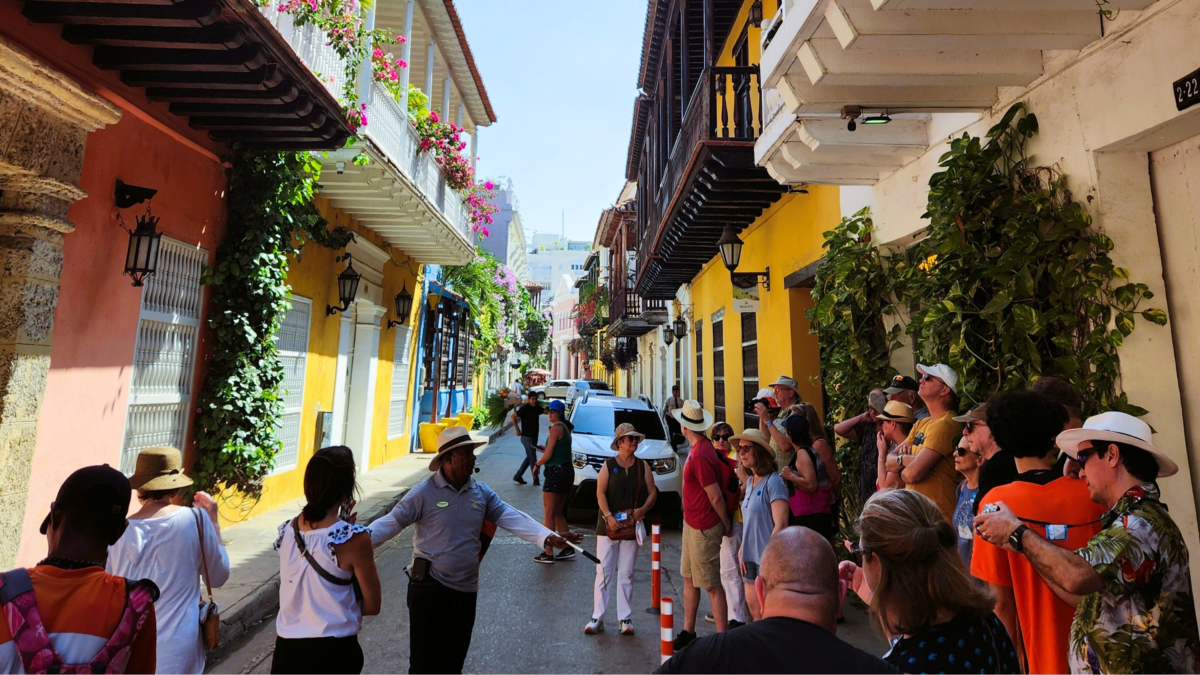
The Caribbean sounds like a simple packing problem: sun, sand, repeat. But the reality is a little more nuanced — and getting it wrong shows up fast, usually by day three when you’ve run out of dry clothes or realized you left your rash guard at home during a two-hour snorkeling excursion.
The climate across the Caribbean runs 80–90°F, but it’s not all the same heat. Some islands — like Aruba, Bonaire, and Curaçao — are dry and desert-like, with a constant trade wind that makes the warmth feel manageable. Others, like St. Lucia or Jamaica, are tropical and humid, where the air feels thick by mid-morning.
If you’re considering the ABC Islands on your first sailing, the Holland America ABC Islands Cruise Review gives you a real look at what to expect before you book.
Either way, moisture-wicking and quick-dry fabrics win over anything cotton — what feels light and breezy in your closet at home has a way of feeling like a wool blanket once you’re standing on a dock at noon.
Then there’s the reef-safe factor. A growing number of Caribbean ports — including the U.S. Virgin Islands and many stops throughout the Eastern and Southern Caribbean — have restricted or banned chemical sunscreens to protect coral reef ecosystems. Check the reef-safe sunscreen guidelines from Coral Reef Alliance before you pack.
And the ports themselves vary more than people expect. One day you’re on a pristine white-sand beach; the next, you’re snorkeling over rocky coral where flip-flops are useless.
Packing for the Caribbean means being ready for what each island actually throws at you — not just one island on a postcard.
Entry requirements can vary by island, and they do change. The U.S. State Department’s travel site is the most reliable place to check current requirements for your specific ports before you sail.
The Caribbean Cruise Packing List — What You Actually Need
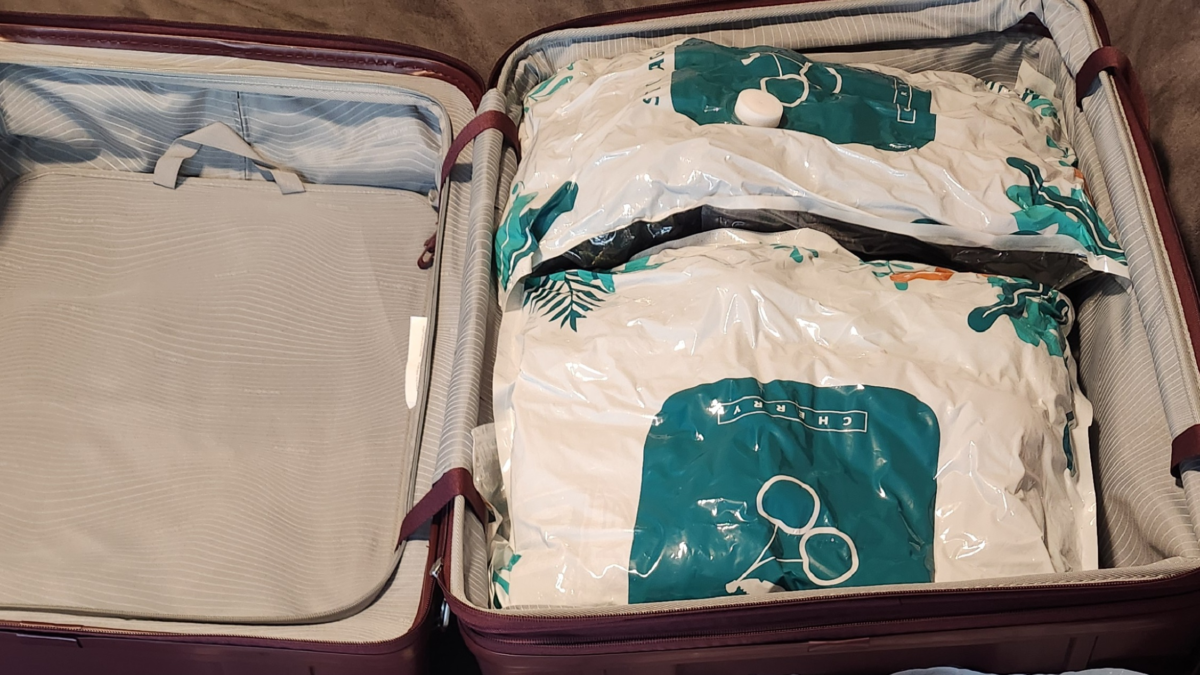
This is where the Caribbean cruise packing list get specific. The general cruise gear still applies — but what you prioritize, how many of each item you bring, and what you add for the Caribbean climate separates a comfortable trip from a sweaty, sunburned one.
Caribbean Cruise Clothing Packing List
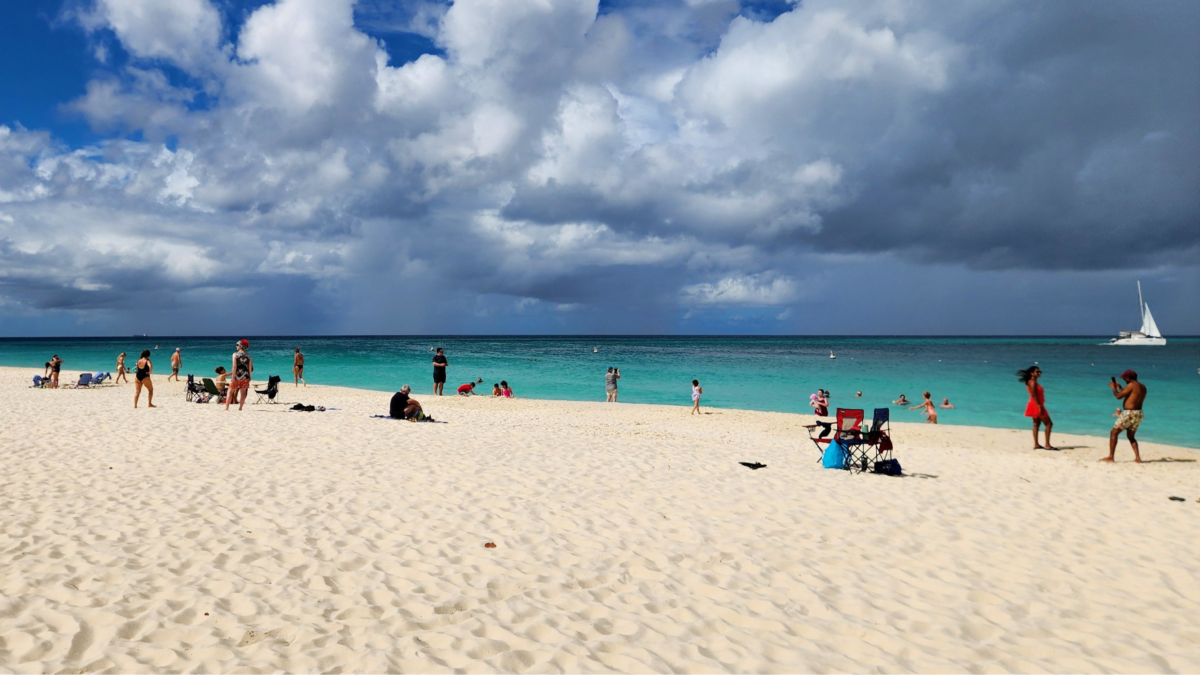
Packing clothes for a Caribbean cruise is less about fashion and more about function — which, done right, still looks good. The goal is light, breathable, and versatile.
I used to overpack badly. On my first Caribbean cruise, I packed an outfit for each day plus a couple of extra outfits for “just in case,” and wore half what I brought. Now I pack leaner and feel far better for it.
Here’s what makes the cut:
- Swimsuits (2): Two is the perfect number. One to wear, one drying on the line. More than two just takes up space.
- T-shirts and tank tops (3–4): Lightweight and breathable is the game here. Quick-dry fabrics are worth it — they’re cooler and dry fast after sweating all day.
- Shorts (2–3 pairs): Shorts double as everything in the Caribbean. One or two casual pairs, one that can pass for a relaxed dinner.
- Sundresses or lightweight cover-ups (1–2): Perfect for transitioning from the pool deck to lunch without a full outfit change. Also useful at shore-side restaurants with no-swimwear policies.
- Light cardigan or wrap: Ships are aggressively air-conditioned. Dining rooms, theaters, the casino — you will want something light to throw on even when it’s 88°F outside.
- Smart casual for evenings: Most Caribbean cruise lines lean casual. A collared shirt and khakis cover most formal-adjacent nights for men; a sundress or casual dress works for women. One nice outfit handles a formal night if your itinerary has one.
- One pair of jeans (optional): Useful for a chilly sea day or a slightly dressier evening. One pair is plenty — not three. Depending on the cruise line, denim jeans aren’t allowed in the specialty restaurants. I like wearing Wrangler Free To Stretch jeans, the jeans are comfortable and more “classy” than denim.
Leave the heavy denim, the multiple blazers, and the shoes you’ve never broken in. The Caribbean rewards packing light.
Footwear for Caribbean Ports
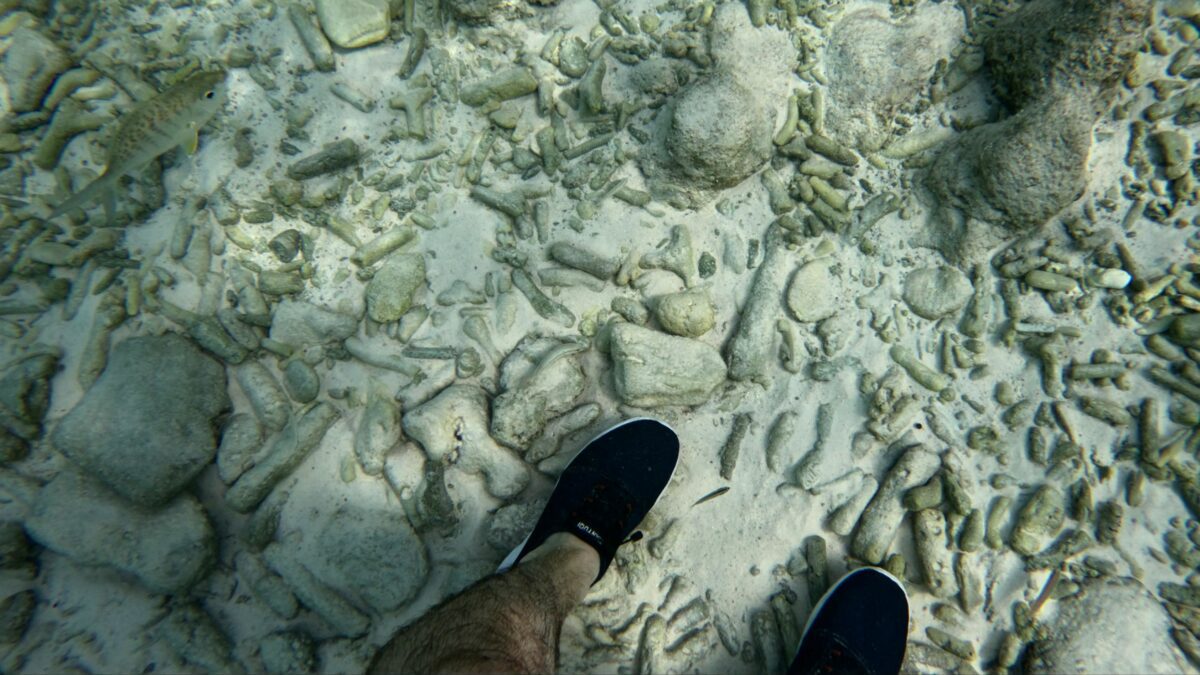
Shoes are where Caribbean cruisers consistently overpack. I’ve made this mistake myself — it’s easy to justify one more pair.
You don’t need six pairs of shoes. You need four — and knowing which four makes all the difference. Technically, you can get by with three pairs, but if you’re planning a mix of shore activities, four pairs gives you the right shoe for every situation.
The beach-and-sandal combination that sounds logical often fails in practice. Rocky volcanic beaches, coral entry points, and uneven port town streets all demand more than a flip-flop.
The 4-shoe strategy that works every time:
- Water shoes: Skip if you don’t plan on going to a beach. Water shoes are your most important pair of shoes for the Caribbean. Most coral beaches, snorkeling spots, and water-based excursions are dramatically better with water shoes. They protect your feet, dry fast, and weigh almost nothing.
- Comfortable walking sandals, like Tevas: For port city exploration, beach days, and excursions involving real walking. Something supportive enough for a few miles on cobblestone or uneven roads. My go to sandals are Teva Hudson, I wear them all the time on a cruise vacation.
- Sneakers or workout shoes: You’ll want a comfortable pair of shoes for walking around the ship, working out, exploring the port cities, and walking through the airport. I typically wear my Asics when traveling — the shoes are comfortable and I can walk all day in them.
- One casual dressy pair: Flats, loafers, or low heels for smart-casual evenings. Bring a pair that are comfortable to walk in.
Skip the hiking boots unless your specific excursion calls for it. Most Caribbean shore excursions are beach, boat, or town — not trail.
Caribbean Shore Excursion and Beach Day Essentials
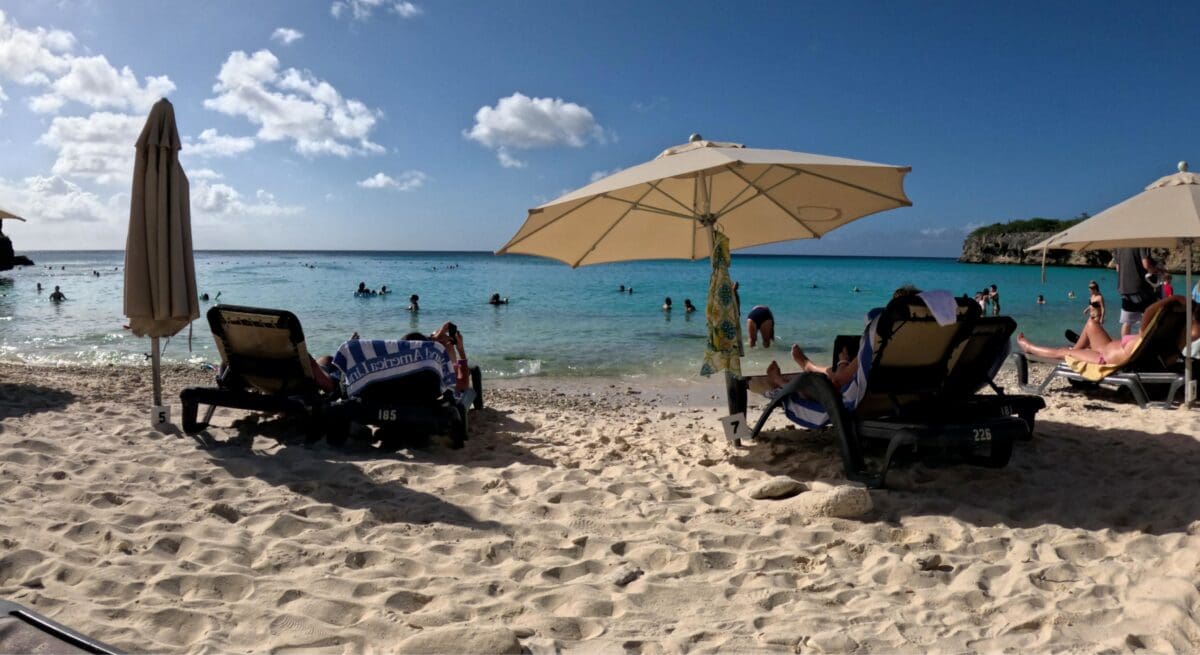
Port days in the Caribbean are genuinely the best part of the trip — but they’re also when your packing decisions pay off or don’t.
I learned the hard way while snorkeling at Arashi Beach in Aruba. I didn’t wear a rash guard and sunscreen didn’t cut it. Sure enough, after a full day in the water, my back was fried. Since then, every Caribbean port day runs on the same setup — and it works every time.
If Aruba is on your itinerary, check out the best snorkeling spots in Aruba — knowing where you’re going makes packing the right gear a lot easier.
Here’s what actually makes a difference for a Caribbean cruise packing list:
- Dry bag: Essential if you’re doing any water excursion, boat tour, or beach day with waves. A dry bag keeps your phone, cash, and documents safe from splashes, rain, and accidents.
- Collapsible backpack: Takes up almost no space in your suitcase but is easier to carry your gear on port days. Far more practical than a tote when you’re hauling sunscreen, water, a cover-up, and a camera.
- Rash guard: Provides serious UV protection for snorkeling or long beach days — more effective than reapplying sunscreen every 30 minutes while you’re in and out of the water.
- Waterproof phone pouch: Even with a dry bag, having your phone accessible around your neck means you can take photos in the water without worry.
- Microfiber beach towel: Lighter than a regular towel and dries faster. The ship provides towels, but bringing your own means you’re not charged if one goes missing at the beach.
- Small amounts of cash: Major credit cards and USD cash are accepted at most Caribbean ports, but smaller vendors, beach bars, and taxis often prefer cash.
- Bug spray: Easy to forget and genuinely important. Jungle excursions, sunset tours, and any outdoor activity in a tropical port means bugs — especially in the rainy season.
Not sure which ports are worth your excursion budget? The guide to the best Caribbean cruise ports breaks down exactly what’s worth revisiting — and what you can skip.
🧭 Planning a Shore Excursion?
Booking port excursions independently is often cheaper and more flexible than through the ship — Viator is where I look first.
Sun Protection for a Caribbean Cruise
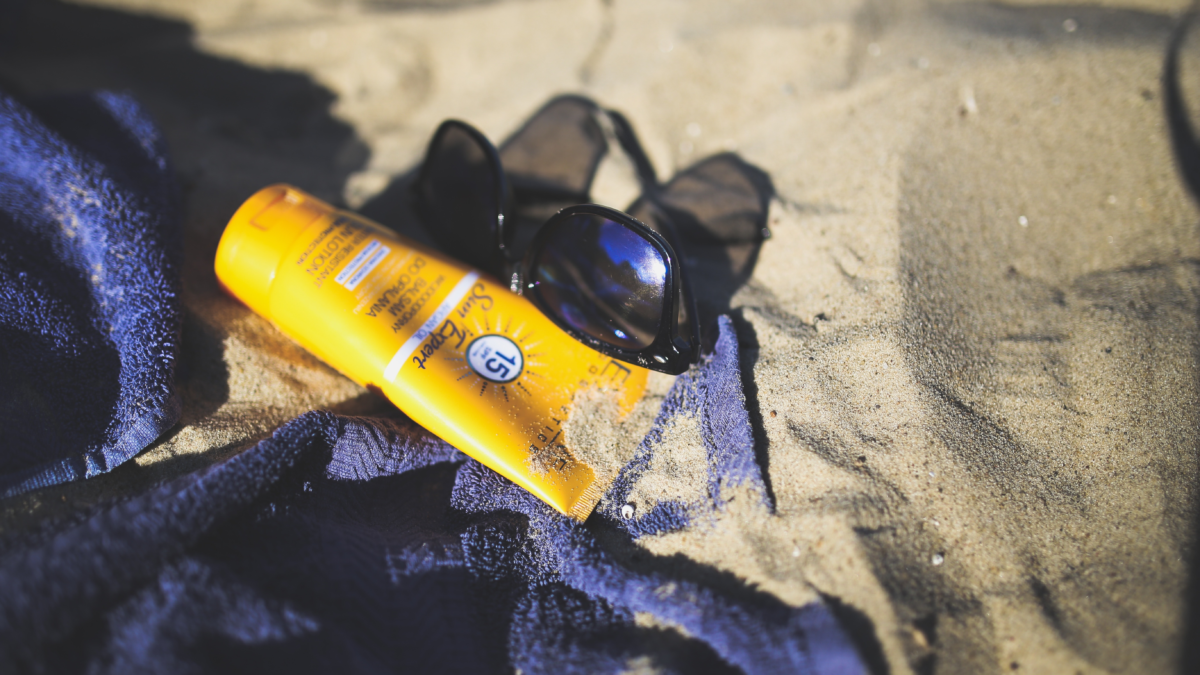
The sun in the Caribbean is not the same as the sun at home. You’re closer to the equator, the water reflects UV exposure back at you, and you’re outside for far longer stretches than you typically realize. A “quick beach day” can quietly turn into four hours of direct sun with no shade.
This is the category where not being prepared costs you the most — either in a sunburn that wrecks the next two days, or in paying inflated onboard prices for sunscreen you should have packed. Buy everything in this section before you leave home.
- Reef-safe sunscreen (SPF 30+): Bring more than you think you need — it’s significantly cheaper to buy at home. Many Caribbean ports require mineral-based formulas (zinc oxide or titanium dioxide). I like using Badger mineral sunscreen.
- Aloe vera gel: Even with sunscreen, a full day at sea under Caribbean sun adds up. Aloe is the fastest relief and packs flat.
- Lip balm with SPF: Your lips burn too — this is the most forgotten item on any packing list, and you’ll notice by day three if you skipped it.
- Wide-brim sun hat: Provides real shade on the pool deck, at the beach, and port towns. A ball cap works but a wider brim protects your neck and shoulders too.
- Sunglasses: Bring a reliable pair. Light reflecting off tropical water is intense, and your eyes need the same protection as your skin.
- After-sun lotion: Worth having alongside aloe for longer trips. Keeps skin moisturized through consecutive full days in the sun.
🌎 Travel Essentials & Trip Planning:
Gear up and plan your next Cruise adventure with my top recommendations!
🧳 Find travel gear, accessories, and essentials I personally use on my
Dohrn Travels Store.
🌍 Book top-rated hotels where I have stayed near Port Everglades through
Expedia Travel.
What Not to Bring on a Caribbean Cruise

First-time cruisers tend to overpack more than anyone — the uncertainty of a new trip makes everything feel necessary.
Just as important as what you pack is what you leave behind. The Caribbean is one of the most over-packed destinations in cruising — people bring gear for every possible scenario and end up never touching most of it.
Heavy jeans are the biggest offender. I’ve seen people pack three pairs and wear none of them once the humidity hits. Leave all but one, and even that’s optional. Multiple formal outfits are another common mistake — most Caribbean itineraries have one smart-casual night at most. One nice outfit handles it.
The ship also covers things people waste space bringing — hairdryers in most cabins, basic shampoo and conditioner, and towels for onboard use. A few other items that don’t earn their weight on a Caribbean sailing:
- Candles, irons, and surge-protected extension cords: These are prohibited on most cruise lines regardless of destination. Check Royal Caribbean’s prohibited items policy (or your cruise line’s equivalent) before you pack.
- A heavy rain jacket: A lightweight packable rain jacket or poncho handles the brief afternoon Caribbean showers. A full winter-weight rain jacket is overkill and takes up real space.
- More than four pairs of shoes: Stick with four pairs or less. Every extra pair is weight and space you’d rather spend on beach gear.
- Too much cash: Most Caribbean ports have ATMs and widely accept USD and major credit cards. Don’t carry more than you need for a port day — $30–40 per person covers most situations.
- Anything you’re debating: If you’ve packed something and you’re not sure you’ll use it, take it out. You can buy almost anything you genuinely need in port or on the ship.
🚢 Still shopping for your cruise?
CruiseDirect makes it easy to compare itineraries, cruise lines, and pricing all in one place.
Downloadable Caribbean Cruise Packing Checklist (Printable + Reusable)
A full cruise packing list guide is great for context and strategy — but when you’re actually packing the night before you leave, you need a clean checklist you can move through quickly without re-reading an article.
I’ve put together a printable cruise packing list that covers every category in this guide. Save it, print it, or pull it up on your phone the night before you leave.
👉Download the Free Caribbean Cruise Packing List Here
It’s reusable across cruises — once you’ve fine-tuned it for your travel style, it becomes a reliable starting point for every trip. Mark off what you’ve packed, note what you’re leaving behind intentionally, and travel with confidence.
Caribbean Cruise Packing List FAQs
What should I pack for a 7-day Caribbean cruise?
Less than you think. Focus on light, breathable clothing: 2 swimsuits, 3–4 casual tops, 2–3 shorts, 1–2 sundresses, and one nicer outfit for dinner. Add your beach and water essentials — dry bag, water shoes, reef-safe sunscreen, and a rash guard. For a 7-day trip, one carry-on and a medium checked bag is plenty if you pack intentionally. The rule that works: one outfit per day minus two.
Do I need reef-safe sunscreen on a Caribbean cruise?
Yes — and it’s not just a preference. Multiple Caribbean ports, including U.S. Virgin Islands and several Eastern Caribbean stops, restrict or ban chemical sunscreens to protect coral reefs. Look for mineral-based formulas with zinc oxide or titanium dioxide as the active ingredients. Buying at home is always cheaper than buying onboard.
Do I need a cover-up for a Caribbean cruise port day?
A lightweight cover-up is worth bringing. Many port-side restaurants and shops have no-swimwear policies, and having a simple cover-up or sundress means you can go straight from the beach to lunch without heading back to the ship. It also provides a bit of sun protection during midday heat.
What clothes to bring on a Caribbean cruise in summer?
Summer Caribbean cruising means maximum heat and humidity — lean into it. Prioritize lightweight, moisture-wicking fabrics, quick-dry shorts and tops, and UV-protective layers like a rash guard for long days on the water. Leave heavier fabrics at home entirely. Keep a light cardigan in your bag for the ship’s aggressive air conditioning — you’ll want it every single evening.
Final Thoughts: Pack Smart for Your First Caribbean Cruise
The Caribbean is one of the best cruise destinations in the world — and it’s a straightforward one to pack for once you understand what the environment actually demands: light layers, sun protection done right, gear built for water and heat, and a carry-on that’s ready the moment the ship pulls into port.
For your complete cruise packing guide — everything from documents and cabin essentials to a printable checklist — head back to the Ultimate Cruise Packing List. Everything you need to sail with confidence is there.
Still building out your travel kit? The Travel Must Haves guide covers the gear I bring on every trip, no matter the destination
Your first Caribbean cruise is going to be one of those trips you talk about for years. Don’t let the packing stress you out — this list has you covered.
Adventure Awaits. Book It!
The Ultimate Cruise Packing List: What to Bring, What to Skip, and How to Pack Smart (2026 Guide) Fort Lauderdale Cruise Port Guide: Everything You Need to Know About Port Everglades Holiday Inspiration: Useful Gifts for Travelers, Cabin Lovers, and Families Essentials for Traveling: Travel Essentials I Actually Use and Love The Best Travel Must Haves for Every Trip
Don’t forget to pin this post for future planning!